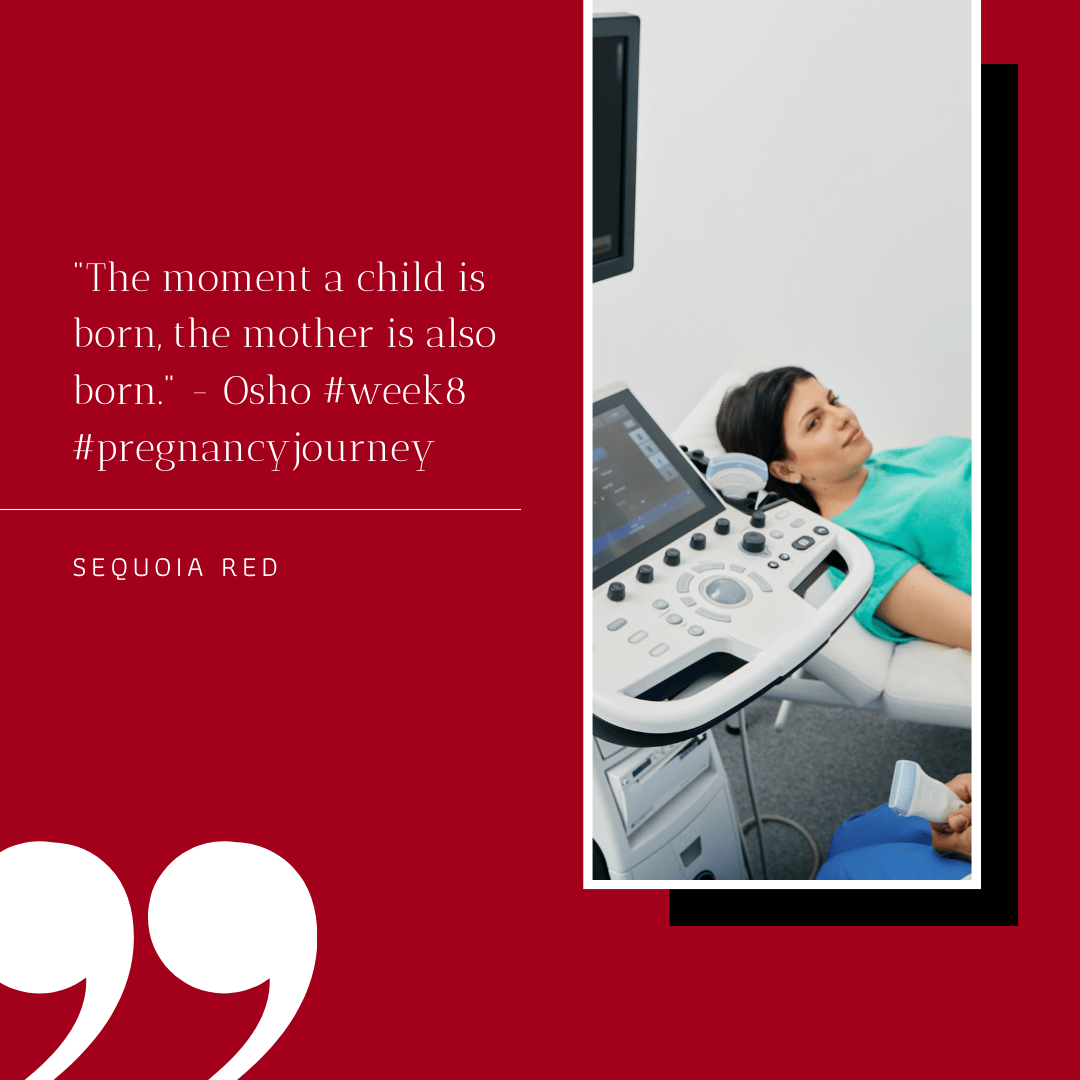



Introduction to pregnancy week 8
Welcome to the eighth week of your pregnancy journey! By now, you’re well into your first trimester, and exciting changes are happening both inside your body and with your growing baby. Let’s delve into the details of what’s going on during this crucial week.
Baby development in week 8
At this particular juncture in your pregnancy journey, your precious little one is akin to the size of a delicate raspberry, measuring approximately 1.3 centimeters from crown to rump. While outwardly, there may not be any visible signs of your pregnancy blossoming, internally, a myriad of fascinating transformations is underway.
As you go about your daily routine, you may start to feel a subtle snugness in your attire, a gentle reminder of the expanding confines within your uterus. This snugness, while perhaps initially imperceptible to others, serves as a tangible reminder of the remarkable changes taking place within your body. Your uterus, in its silent expansion, is creating a nurturing environment for the tiny miracle growing within.
Amidst this subtle physical shift, within the confines of your womb, a symphony of development is unfolding. Like an artist meticulously crafting a masterpiece, your baby’s body is undergoing rapid and intricate formation.
Consider, for instance, the remarkable process of retinal formation. Though the eyes themselves may not yet be discernible, deep within the cocoon of your womb, the delicate structures of the retinas are beginning to take shape. It’s a marvel to ponder the potential hues of those future eyes—will they mirror the cerulean skies, the verdant depths of the ocean, or the rich earthy tones of roasted coffee beans?
And then there’s the captivating journey of gender development. While the physical attributes that will ultimately define your baby as a boy or a girl are beginning to emerge, the mystery of their true identity remains veiled. The sex organs start to form at 8 weeks, but gender determination through ultrasound typically happens around 18-20 weeks. It’s an irresistible anticipation, this waiting game of speculation and wonder, as you eagerly await the revelation of your baby’s gender—a revelation that will undoubtedly add an extra layer of excitement and anticipation to your journey.
Meanwhile, within the sanctuary of your womb, the intricate machinery of life is being set into motion. By the culmination of this week, all the fundamental organs and body systems will have commenced their intricate dance of development. It’s a humbling realization, to contemplate that within the confines of a mere raspberry-sized entity, the blueprint for a fully formed, complex human being is being meticulously laid down.
In essence, each passing moment brings with it a tapestry of wonder and awe, as you bear witness to the miraculous unfolding of life within. And amidst the anticipation and the unknown, there lies a profound sense of gratitude and reverence for the journey that lies ahead.
Common symptoms during week 8
As you journey through the eighth week of pregnancy, you may find yourself encountering a variety of symptoms that serve as gentle reminders of the remarkable changes happening within your body.
One of the most notorious companions during this phase is nausea and vomiting, affectionately dubbed as morning sickness. Despite its name, this duo can make its appearance at any hour of the day, catching you off guard with its queasy embrace. It’s estimated that roughly 75% of pregnant women experience this sensation, a testament to the profound hormonal shifts occurring within. While it can be a challenging ordeal to navigate, it’s also a reassuring sign of a healthy pregnancy. The surge in hormones and increased blood flow conspire to create this unsettling sensation, a small price to pay for the miracle unfolding within.
Accompanying the expansion of your uterus to accommodate the budding life within, you may notice a subtle discomfort in your abdominal region. This sensation, akin to cramping or achiness, is merely a symptom of your body’s remarkable adaptation to the burgeoning life within. Ensuring adequate hydration and allowing yourself moments of rest can work wonders in alleviating this discomfort, offering a small respite amidst the whirlwind of changes.
However, it’s not merely physical discomfort that may mark this week; the emotional landscape can also undergo its own tumultuous shifts. Hormonal fluctuations, ever the orchestrators of change during pregnancy, can lead to a veritable roller coaster of emotions. It’s entirely normal to find yourself swept up in a tempest of excitement, anxiety , and even moments of tearful introspection. During these times, surrounding yourself with supportive loved ones becomes paramount, offering solace and understanding amidst the storm. Additionally, prioritizing self-care practices can serve as a soothing balm for the soul, nurturing your emotional well-being as you navigate the complexities of pregnancy.
Risks in week 8
Pregnancy, often hailed as a miraculous journey, is indeed a remarkable period in a woman’s life, brimming with anticipation, excitement, and yes, a fair share of concerns. Week 8 of pregnancy marks a pivotal juncture where both the wonders and potential risks begin to take center stage. Let’s embark on a discursive exploration of these facets, navigating through the intricate landscape of maternal health and embryonic development.
While the likelihood of miscarriage diminishes as the weeks progress, vigilance remains paramount. Symptoms such as vaginal bleeding, accompanied by severe cramps or back pain, serve as red flags, necessitating immediate medical attention to ensure the well-being of both mother and baby.
Self-care during week 8
When navigating through the exciting yet sometimes challenging journey of pregnancy, especially as you approach week 8 and beyond, it’s crucial to incorporate tailored self-care practices that address both the physical and emotional aspects of this transformative experience.
First and foremost, prioritizing rest becomes increasingly important as your body undergoes numerous changes. Ensuring quality sleep can significantly impact your overall well-being. Investing in a pregnancy pillow tailored to your specific needs can also provide much-needed support as your body adapts to accommodate your growing baby.
Nourishing your body with balanced nutrition is another cornerstone of self-care during pregnancy. A diet rich in essential vitamins, minerals, and protein is crucial for both maternal and fetal health. Consulting with your healthcare provider for personalized dietary recommendations can ensure you’re meeting your nutritional needs. Furthermore, staying hydrated by drinking an adequate amount of water throughout the day is essential for supporting overall health and preventing common pregnancy discomforts.
Emotional well-being is equally important during pregnancy, and finding ways to connect with others and manage stress is key. Engaging in prenatal yoga classes or joining support groups can provide a sense of community and understanding as you navigate this journey alongside fellow expectant parents. Practicing mindfulness techniques such as deep breathing, meditation, or gentle stretches can help alleviate stress and anxiety, promoting emotional balance and relaxation.
Pampering yourself with indulgent treats can also contribute to your overall well-being during pregnancy. Treat yourself to a prenatal massage, specially designed to address the unique needs of pregnant individuals, to soothe achy muscles and promote relaxation (ask healthcare provider’s approval beforehand). Additionally, indulging in budget-friendly treats can be a simple yet effective way to pamper yourself without breaking the bank. Whether it’s taking the scenic route home or enjoying some window shopping without the stroller, finding small moments of joy and relaxation can make a significant difference in your pregnancy experience.
Partner support in week 8
During the eighth week of pregnancy, your partner’s role becomes increasingly significant as you both navigate this transformative journey together. Rather than merely being a bystander, your partner has the opportunity to actively participate and provide invaluable support in various aspects of your pregnancy experience.
First and foremost, encourage your partner to delve into educational resources about pregnancy. Understanding the physiological changes occurring within your body and the developmental milestones of the growing fetus will not only equip them with knowledge but also foster empathy. By familiarizing themselves with the intricacies of pregnancy, they can better comprehend your experiences and provide more effective support.
Moreover, amidst the rollercoaster of hormonal fluctuations, your partner’s patience and attentiveness are paramount. Mood swings, fatigue, and occasional bouts of anxiety are common occurrences during pregnancy, and it’s essential for your partner to exhibit understanding and patience during these moments. Remind them that their unwavering support and reassurance can make a world of difference in alleviating your concerns and emotional strain.
Consider attending prenatal classes together as a couple. These classes offer valuable insights into childbirth techniques, newborn care, and essential parenting skills. Beyond the informative aspect, participating in these classes as a team fosters a sense of unity and shared responsibility. It’s an opportunity for both of you to actively engage in preparing for the arrival of your baby, strengthening your bond as partners and soon-to-be parents.
Encourage your partner to prioritize a healthy lifestyle alongside you. Emphasize the importance of consuming nutritious meals, engaging in regular physical activity, and abstaining from harmful substances. By adopting these habits together, you not only promote your own well-being but also cultivate a supportive environment conducive to a healthy pregnancy.
Above all, emphasize the significance of emotional support from your partner. Pregnancy can evoke a myriad of emotions, ranging from excitement and anticipation to fear and uncertainty. Encourage open communication, allowing both of you to freely express your feelings, fears, and joys. Your partner’s emotional presence and understanding can serve as a source of comfort and strength throughout this transformative journey.