



Importance of sleep during pregnancy
During pregnancy, the need for a good night’s sleep transcends mere comfort; it becomes a cornerstone of your health and the well-being of your developing baby. Sleep isn’t just about catching up on lost energy; it’s a vital period of physiological restoration that underpins a multitude of processes crucial for a healthy pregnancy.
One key aspect of sleep’s importance lies in its role in hormonal regulation. Pregnancy is a hormonal rollercoaster, with surges in progesterone, human placental lactogen (hPL), and other hormones orchestrating the complex changes your body undergoes. Adequate sleep allows your body to effectively regulate these hormones, ensuring a smooth progression of fetal development and a healthy pregnancy.
Furthermore, sleep fuels your body’s ability to cope with the increased demands of pregnancy. Growing a tiny human is an energy-intensive process. Sleep allows your body to repair tissues, replenish energy stores, and bolster your immune system, making you better equipped to handle the physical and emotional challenges↗️ of pregnancy. Studies have even linked insufficient sleep during pregnancy with an increased risk of developing pregnancy complications like preeclampsia and gestational diabetes.
Finally, sleep is a period of cellular rejuvenation. During sleep, your body releases growth hormone, which plays a vital role in promoting cell growth and repair throughout your body, including the placenta, which nourishes your developing baby.
Sleep disorders in pregnancy
For many women, pregnancy heralds a period of heightened sleepiness. However, this natural drowsiness can often morph into disruptive sleep disorders that significantly impact the quality and quantity of rest. One prevalent culprit is insomnia, the frustrating inability to fall asleep or stay asleep. Hormonal fluctuations, particularly increased progesterone levels, can contribute to insomnia by altering your sleep-wake cycle and making it harder to fall asleep. Additionally, the physical discomforts of pregnancy, such as frequent urination, heartburn, and back pain, can disrupt sleep continuity and lead to fragmented sleep patterns.
Another sleep disruptor is restless legs syndrome (RLS), a neurological condition characterized by an irresistible urge to move your legs, often accompanied by uncomfortable sensations. The exact cause of RLS in pregnancy is unknown, but hormonal changes and iron deficiency are thought to play a role. RLS can significantly worsen insomnia, making it difficult to fall asleep and stay asleep due to the constant urge to move your legs.
Sleep apnea, a condition characterized by pauses in breathing during sleep, can also emerge or worsen during pregnancy. Weight gain and nasal congestion, common during pregnancy, can constrict airways, leading to sleep apnea episodes. These pauses in breathing disrupt sleep quality and leave you feeling unrested even after a full night’s sleep. Untreated sleep apnea during pregnancy can potentially impact oxygen flow to the baby, making it crucial to seek medical attention if you suspect you might have it.
What can you do to improve your sleep during pregnancy?
Establish a calming ritual before bed that signals to your body it’s time to wind down. This could include practicing gentle yoga or meditation, reading a book, or listening to soothing music. Avoid stimulating activities like watching television or scrolling through social media before bed, as the blue light emitted from electronic devices can further disrupt your sleep cycle.
Furthermore, ensure your bedroom is a haven for sleep. Aim for a cool, dark, and quiet environment. Invest in blackout curtains to block out light, use earplugs or a white noise machine to mask distracting sounds, and keep the room at a comfortable temperature.
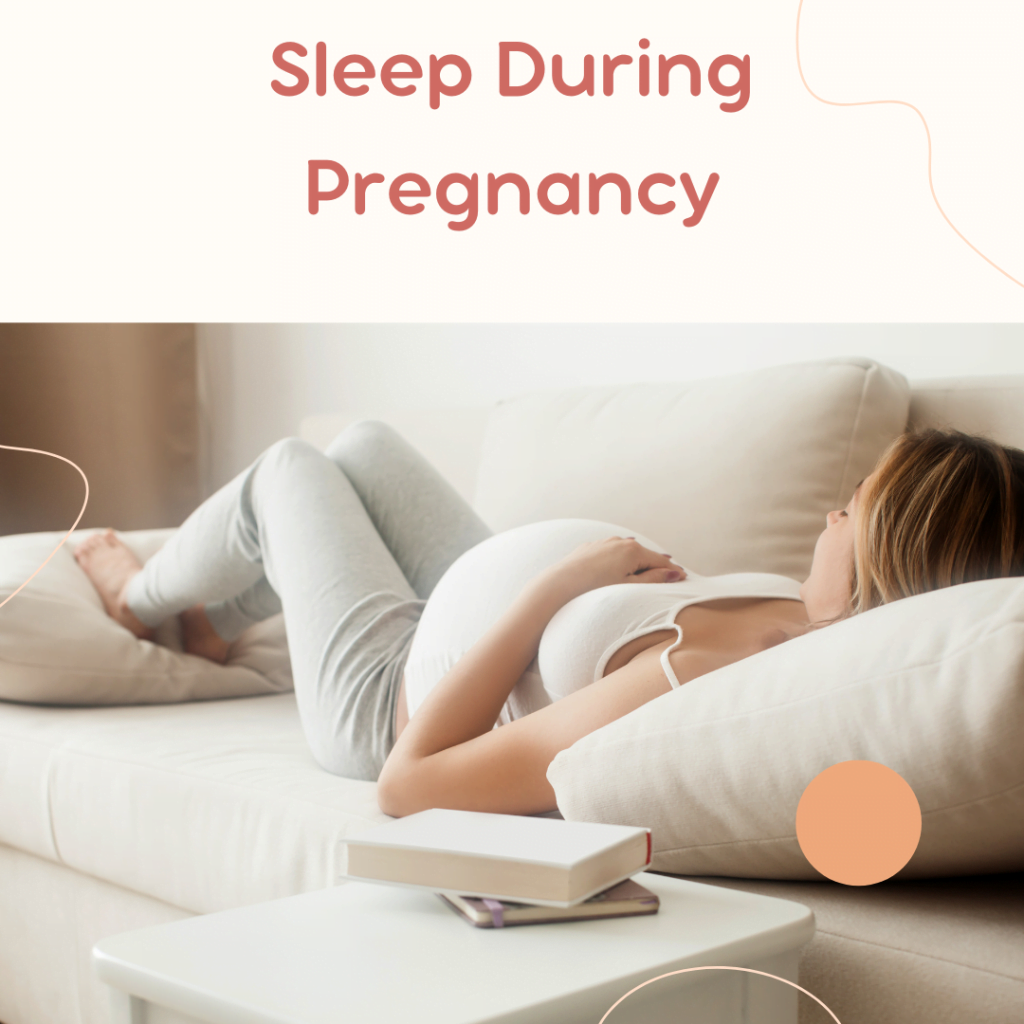
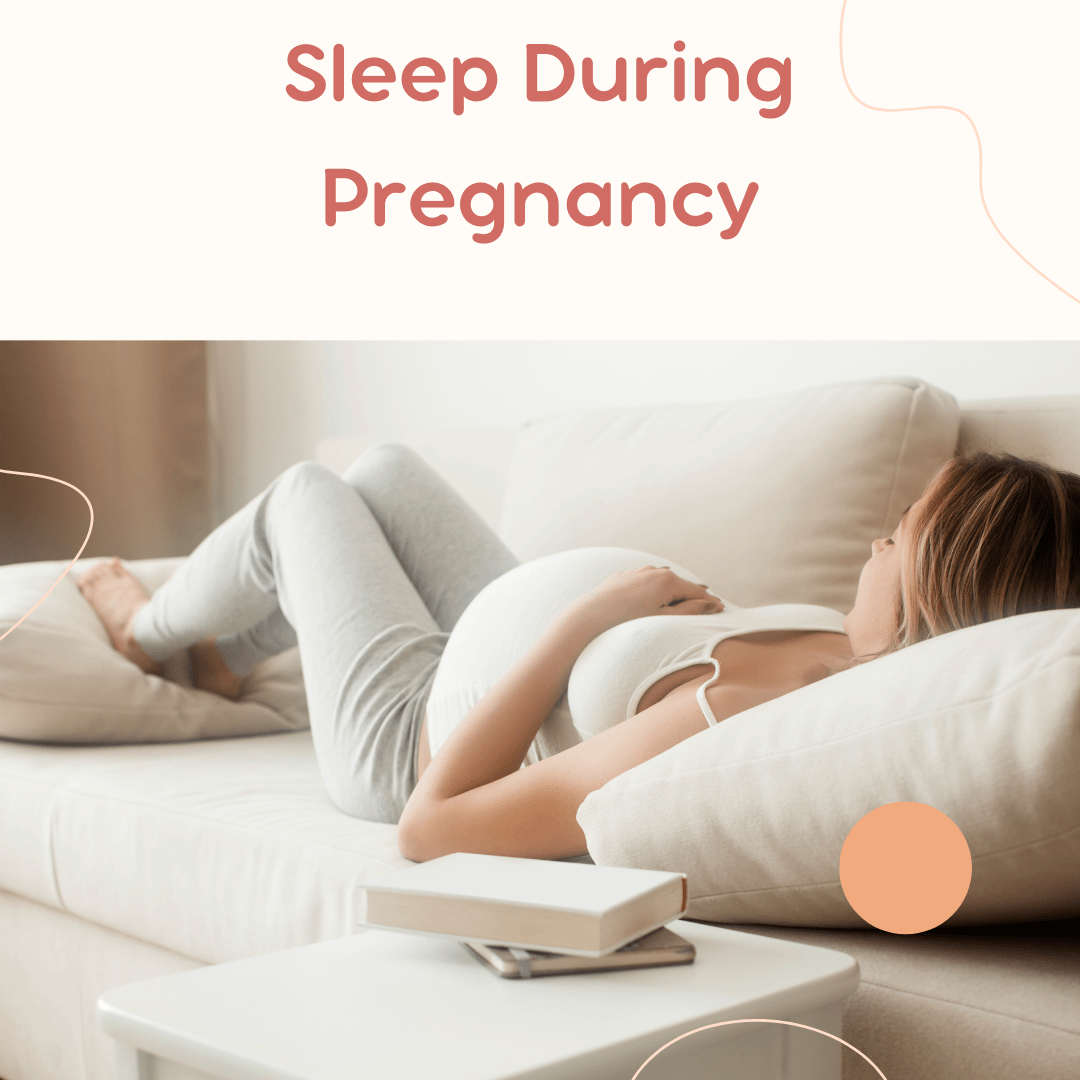
As your pregnancy progresses, finding a comfortable sleep position can become a challenge. Sleeping on your side is the safest and most recommended position, as it improves blood circulation and reduces pressure on your uterus. Utilize pregnancy pillows designed to provide support for your belly, back, and legs, helping you achieve a more comfortable side-lying position. Propping a pillow between your knees can further alleviate pressure on your lower back and hips, promoting better spinal alignment
Certain lifestyle modifications can significantly improve your sleep quality. Engage in regular exercise↗️, but avoid strenuous activity close to bedtime. Establish a consistent sleep schedule, going to bed and waking up at roughly the same time each day, even on weekends. This helps regulate your body’s natural sleep-wake cycle.
Lastly, if you continue to experience significant sleep disturbances despite implementing these remedies, don’t hesitate to consult your doctor. They can help rule out any underlying medical conditions that might be contributing to your sleep problems and recommend treatment options tailored to your specific needs. In some cases, cognitive behavioral therapy for insomnia (CBT-I) can be a helpful strategy for managing sleep difficulties during pregnancy.
What can your partner do to help you improve your sleep during pregnancy?
Pregnancy can feel overwhelming at times. Your partner can significantly reduce your stress ↗️ levels and improve your sleep quality by taking on some household chores before bed. This could include tasks like washing dishes, tidying up the living room, or preparing lunches for the next day. By alleviating your workload and creating a more organized environment, your partner fosters a sense of calm that can significantly contribute to better sleep.
Establish a calming bedtime ritual together. This could involve listening to soothing music, dimming the lights, and reading a book. By participating in this routine, your partner sets the tone for a restful night’s sleep and creates a sense of shared relaxation. Moreover, you can share with him the task of ensuring that the bedroom is cool, dark, and quiet. He can foster the habit of turning off electronic devices that emit blue light or using a white noise machine to mask distracting sounds.
As your pregnancy progresses, physical discomforts like back pain and leg cramps can disrupt your sleep. Your partner can offer soothing massages, help you adjust pillows for optimal support, or bring you a warm compress to ease muscle aches.
Lastly, open communication is key. Let your partner know what you need to feel comfortable and well-rested. Whether it’s a back rub, a listening ear, or simply a reassuring presence, clear communication allows your partner to tailor their support to your specific needs.