


Introduction to pregnancy week 6
At this stage, your little one is about the size of a sweet pea, measuring approximately 0.5 to 0.6 centimeters from crown to rump. While your baby is still tiny, remarkable developments are occurring both inside your womb and within your own body.
Baby development in week 6
Your baby’s face is taking shape, with the formation of cheeks, chin, and jaws. These early facial structures will eventually coalesce into one adorable face. The tiny indentations on either side of the head are ear canals in the making.
Alongside facial features, other vital organs are also forming. This week, your baby’s kidneys, liver, and lungs are taking shape. The brain and spinal cord are taking shape. The neural tube—the foundation for the nervous system—is developing, setting the stage for future growth.
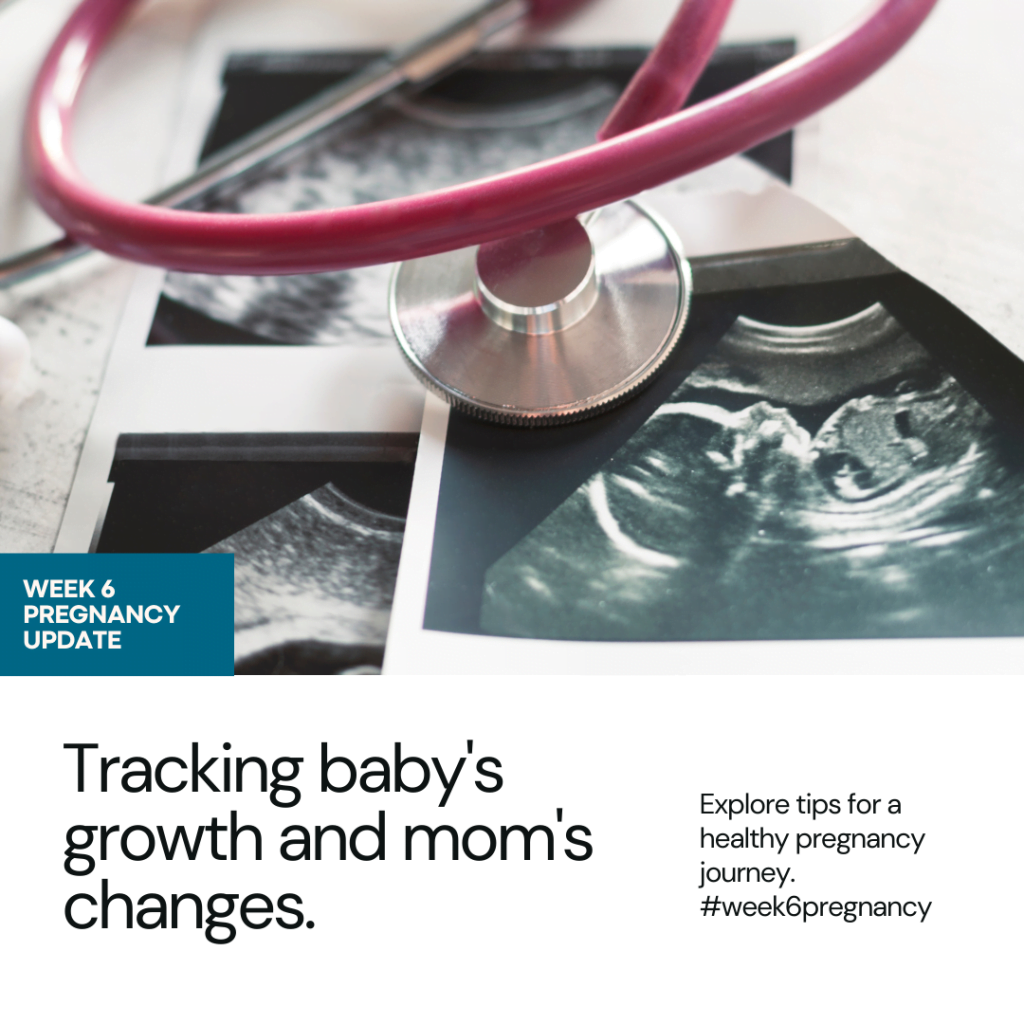
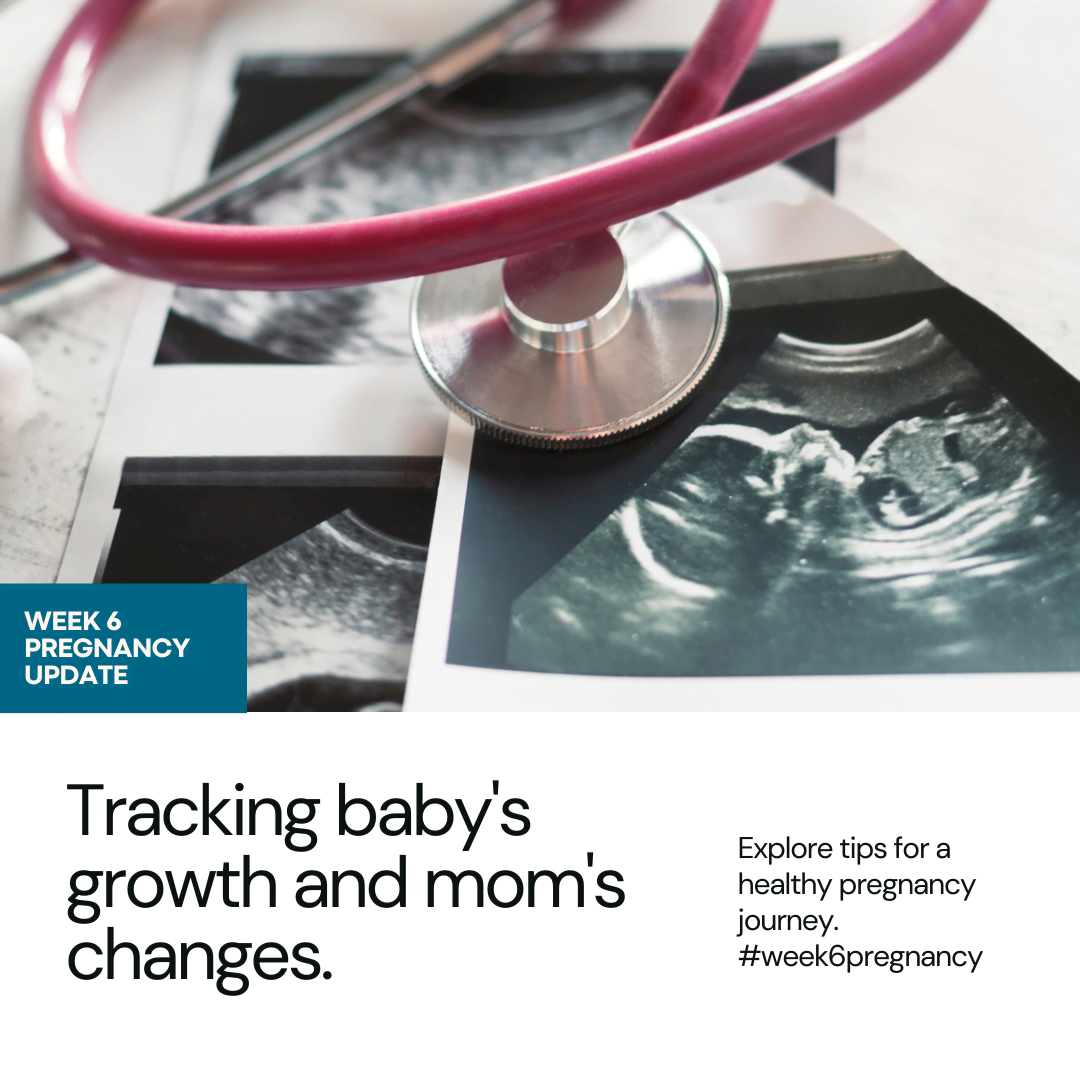
Further on, the heart is also gearing up! Sometime after week 5, the cluster of cells that will become your baby’s heart starts to pulse. While it’s too early to detect the sound with a stethoscope, a vaginal ultrasound might reveal your baby’s heartbeat.
In this week, your baby is curled up in the classic fetal position. Those leg buds are tucked in toward the torso, indicating no plans for movement just yet.
Common symptoms during week 6
Even though your body may not have visibly changed yet, you’ll be reminded of your pregnancy status by frequent trips to the bathroom. Blame it on the hormonal shifts and the growing uterus putting pressure on your bladder.
Hormonal changes are also responsible for your breasts feeling tender, swollen, or even achy. This is normal as your body prepares for breastfeeding.
While some lucky moms-to-be escape it, others experience varying degrees of nausea throughout the day. Remember that this queasiness is a sign that your pregnancy hormones are doing their job. Stay hydrated and consider small, frequent meals to manage morning sickness.
Risks in week 6
While pregnancy is a beautiful experience, it’s essential to be aware of potential risks. If you’re carrying twins or more, there’s a higher risk of complications such as anemia, preeclampsia, and gestational diabetes.
Your uterus is growing, which may lead to frequent urination and bladder pressure. However, pay attention to any severe abdominal pain or unusual symptoms and contact your healthcare provider if such symptoms appear.
Don’t neglect your mental health, either. Hormonal fluctuations can impact your mood. Seek emotional support from your partner and healthcare provider.
Self-care during week 6
Proper hydration and a balanced diet are crucial for both you and your baby. Aim for at least eight glasses of water daily and focus on nutrient-rich foods. Incorporate leafy greens, whole grains, lean proteins, and fruits into your meals.
Continue taking your prenatal vitamins, ensuring you get essential nutrients like folic acid. Most importantly, listen to your body. Adequate rest is essential for your well-being and your baby’s development.
Lastly, avoid alcohol, tobacco, and recreational drugs. These can harm your baby’s growth.
Partner support in week 6
As always, your partner plays a crucial role in supporting you emotionally and physically. Your partner should understand your changing emotions, fatigue, and physical discomfort. Him listening, being reassuring, and being patient is invaluable.
Moreover, attending prenatal appointments together can be an important support for you. These visits allow both of you to connect with the pregnancy journey and receive essential information. Additionally, he can encourage healthy habits. Your partner can help you maintain a balanced diet, stay hydrated, and get adequate rest.