


Introduction to pregnancy week 20
Ah, welcome, soon-to-be parents, to a significant juncture in your journey of parenthood! As you stand at the threshold of the 20-week mark in your pregnancy, it’s truly a momentous occasion. This halfway point signifies not only a remarkable milestone but also a profound juncture where anticipation and excitement blend with a myriad of physical and emotional changes.
For expectant mothers, physical changes such as a growing belly, hormonal fluctuations, and potential discomforts may become more pronounced as the pregnancy progresses. Emotionally, the realization of impending parenthood may evoke a myriad of feelings – from joy and anticipation to moments of apprehension or uncertainty.
Nevertheless, as you navigate through these ups and downs, remember that you are not alone in this journey. Whether seeking guidance from healthcare providers, finding solace in the support of loved ones, or connecting with fellow expectant parents, there is a wealth of resources and communities available to accompany you every step of the way.
Baby development in week 20
As you reach the halfway mark of your pregnancy journey, your little one, now the size of a sweet potato, is undergoing remarkable developments in the womb. It’s a phase filled with exciting milestones and fascinating transformations that offer a glimpse into your baby’s burgeoning existence.
One of the notable advancements during this period is the refinement of sucking reflexes. Your baby is actively practicing sucking motions, perhaps even experimenting with a tiny thumb. These reflexes play a crucial role in preparing your baby for feeding once they enter the world.
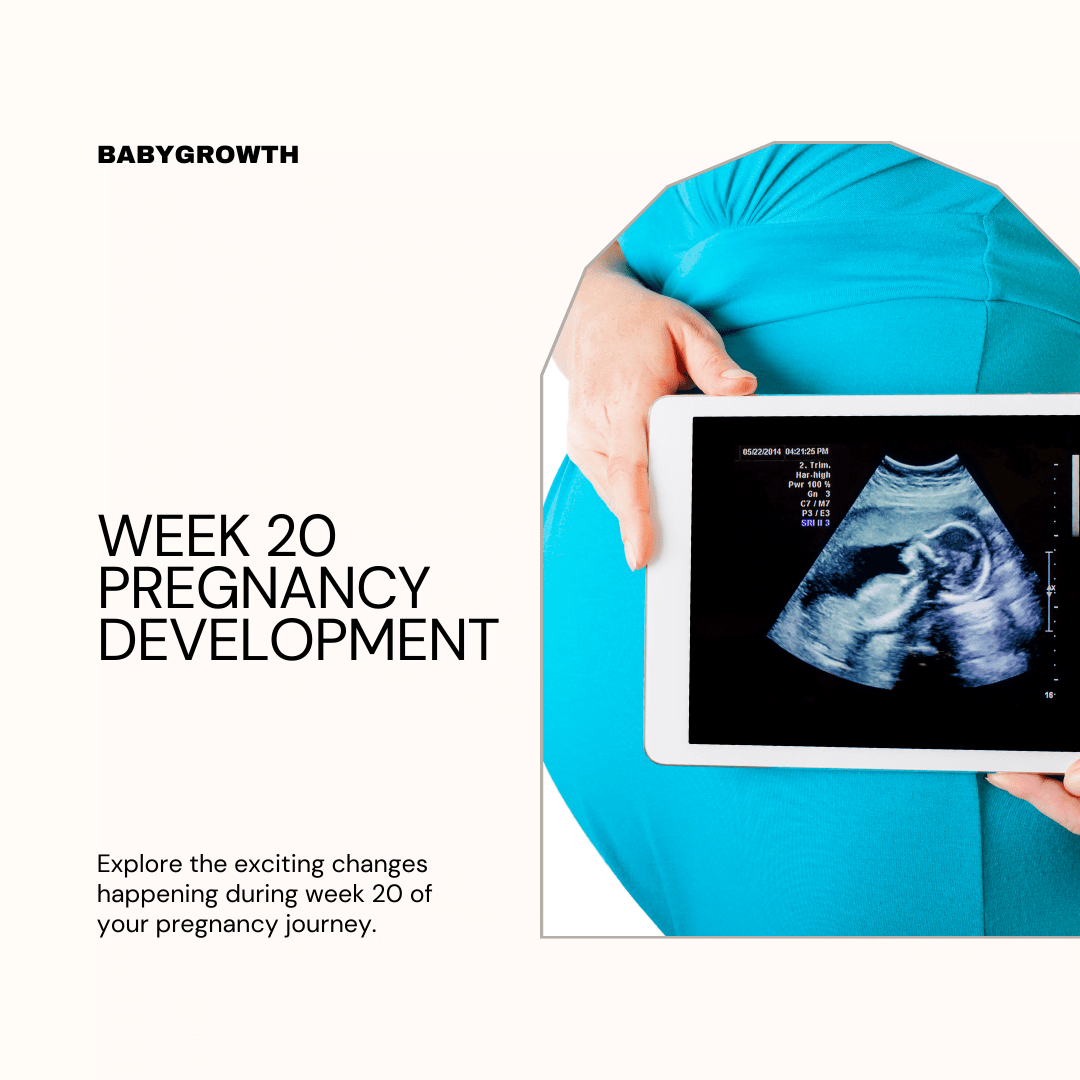
Moreover, this stage often brings with it the eagerly anticipated moment of gender revelation. Through the second-trimester ultrasound, typically scheduled between weeks 18 and 22, you have the opportunity to discover whether you’re expecting a baby boy or girl. Alongside this revelation, the ultrasound allows for a comprehensive examination of your baby’s other organs and measurements, providing insights into their overall development.
For parents eager to know more about their baby’s reproductive system, this phase holds particular interest. In female fetuses, the uterus is now fully formed, while tiny ovaries house primitive eggs, laying the foundation for future fertility. Conversely, for male fetuses, the descent of the testicles begins as they await their eventual placement within the scrotum, marking another step in their anatomical journey.
Common symptoms during week 20
One common companion during this stage is itchy skin, a result of the hormonal shifts coursing through your body. These changes can manifest in various ways, from slight irritation to more pronounced itchiness. It’s a reminder to pamper your skin with extra care, ensuring it remains hydrated and nourished. Opting for fragrance-free lotions can help alleviate discomfort and maintain skin health.
As the weeks progress, the expanding belly becomes more than just a physical reminder of the life burgeoning within. It also presents a nightly challenge in the realm of sleep . Finding a comfortable position amidst the burgeoning bump can feel akin to solving a nightly puzzle. Many expectant mothers find solace in the strategic placement of pillows, offering support to the back and hips, thereby facilitating a more restful slumber.
Beyond the realm of skin and sleep lies a realm where hormonal fluctuations manifest in surprising ways. Hair and nail changes, often overlooked in discussions about pregnancy symptoms, can be equally significant. Some may notice a luscious mane, while others find themselves grappling with brittle nails.
Yet, amidst the marvels of pregnancy, discomfort often makes its presence known. Lower back pain, a consequence of the growing uterus exerting pressure on the spine, becomes a familiar companion for many expectant mothers. Gentle stretches and a conscious effort to maintain proper posture offer a semblance of relief, allowing moments of respite amid the discomfort.
Digestive woes also make their presence felt during this juncture, with constipation emerging as a common concern. The hormonal milieu slows down digestion, leading to irregular bowel movements. Ensuring adequate hydration and incorporating fiber-rich foods into your diet can mitigate this discomfort, fostering digestive well-being.
It’s essential to recognize that every pregnancy is as unique as the individual experiencing it. While these symptoms are commonplace, not every expectant mother will encounter them in the same manner or intensity. Moreover, any deviation from the norm or concerns about the symptoms should prompt a conversation with your healthcare provider. Their guidance and expertise can offer reassurance and ensure the journey of pregnancy remains as smooth and enjoyable as possible.
Risks in week 20
Pregnancy is an incredible journey marked by various milestones and developments, each week bringing new experiences and considerations. By the time week 20 rolls around, many expectant mothers have settled into the rhythm of their pregnancy, feeling more confident in their ability to navigate its twists and turns. However, it’s important to recognize that along with the joys, there may also be risks that need to be acknowledged and managed.
One of the foremost concerns at this stage is the possibility of preterm labor. While relatively rare, it’s a condition that can catch some mothers off guard if they’re not vigilant. Preterm labor, occurring before the 37th week of pregnancy, can present itself in subtle ways. It’s crucial for expectant mothers to pay close attention to any unusual contractions or abdominal pain, as these could be early signs of labor. Being proactive in recognizing and addressing these symptoms can make a significant difference in the outcome for both mother and baby.
Another risk that may emerge during week 20 is the development of gestational diabetes. This condition, characterized by high blood sugar levels that develop during pregnancy, requires careful monitoring and management. Regular screenings conducted by healthcare providers are essential for early detection, enabling timely intervention and treatment. Proper management of gestational diabetes is vital not only for the health and well-being of the mother but also for the optimal development of the baby. Dietary adjustments, exercise, and in some cases, medication may be necessary to keep blood sugar levels in check and mitigate any potential complications.
Furthermore, week 20 marks a critical juncture where the risk of anemia, particularly iron deficiency anemia, may become more pronounced for some pregnant women. Iron deficiency can lead to anemia, a condition characterized by a lack of healthy red blood cells to carry oxygen to the body’s tissues. Expectant mothers should ensure they’re consuming an adequate amount of iron through their diet or supplements, as the demands of pregnancy can increase the body’s need for this essential mineral. Incorporating iron-rich foods such as leafy greens, lean meats, and fortified cereals into their meals can help prevent or alleviate anemia, promoting both maternal and fetal health.
Self-care during week 20
Engaging in self-care practices not only nurtures your own well-being but also contributes to the optimal health of your unborn child.
One fundamental aspect of self-care during this transformative period is maintaining proper hydration. Adequate hydration is vital for supporting your baby’s growth and development, as well as preventing common discomforts such as constipation. Aim to consume at least eight cups of water daily, ensuring that you replenish fluids lost through perspiration and other bodily functions.
In addition to hydration, paying attention to your diet plays a crucial role in promoting both your health and that of your baby. Aim for a balanced and nutritious diet rich in a variety of fruits, vegetables, whole grains, and lean proteins. These essential nutrients provide the building blocks necessary for your baby’s development and overall well-being. By prioritizing nutrient-dense foods, you can help ensure optimal fetal growth and development.
Alongside maintaining a healthy diet, incorporating gentle exercise into your routine can offer numerous benefits during pregnancy. Regular physical activity not only improves circulation and reduces stress but also helps prepare your body for labor and delivery. Consider engaging in activities such as prenatal yoga or swimming, which are gentle yet effective forms of exercise suitable for expectant mothers. These activities not only promote physical well-being but also provide opportunities for relaxation and stress relief.
Furthermore, recognizing the importance of rest and relaxation is essential for supporting both your physical and emotional health during pregnancy. Listen to your body’s cues and prioritize restful activities that promote relaxation and rejuvenation. Take breaks as needed throughout the day, and don’t hesitate to nap when fatigue sets in. Additionally, establishing a bedtime routine and creating a comfortable sleep environment can help facilitate restful sleep, which is crucial for overall well-being during pregnancy.
Partner support in week 20
One of the most tangible ways partners can support expecting mothers is by accompanying them to prenatal appointments and ultrasounds. These moments offer not just a glimpse into the physical development of the baby but also an opportunity for partners to share the excitement and anticipation. Witnessing the flicker of the baby’s heartbeat on the ultrasound monitor or hearing the tiny movements can forge an even deeper bond between partners and the growing family they’re creating together.
Yet, the support partners provide transcends the confines of medical settings. Pregnancy, with its array of physical changes, hormonal fluctuations, and emotional ups and downs, can be overwhelming at times. In such moments, a partner’s understanding, patience, and unwavering encouragement become invaluable. Their ability to empathize with the rollercoaster of emotions and offer a steady shoulder to lean on can make all the difference in navigating the challenges of pregnancy with grace and confidence.
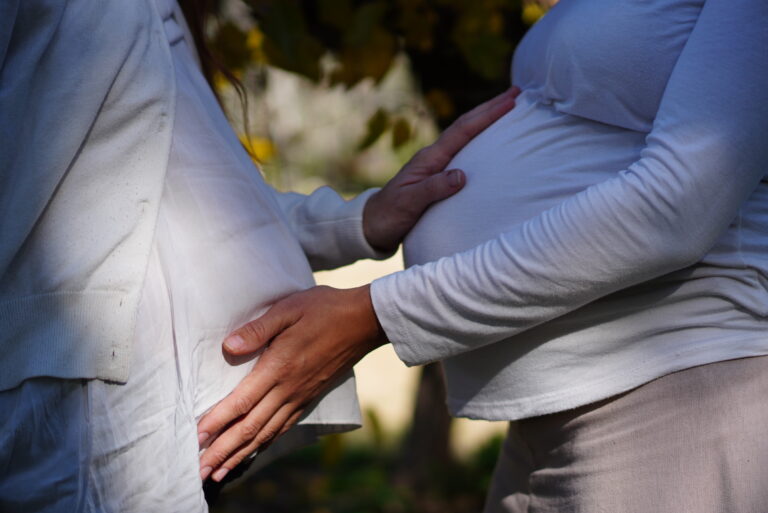
Moreover, pregnancy offers numerous opportunities for partners to strengthen their bond with each other and with the baby. Engaging in activities like talking to the baby together or placing a partner’s hand on the swelling belly to feel the gentle kicks fosters a sense of unity and shared excitement for the impending arrival. These small gestures not only deepen the emotional connection between partners but also lay the foundation for a nurturing and supportive environment for the baby even before birth.