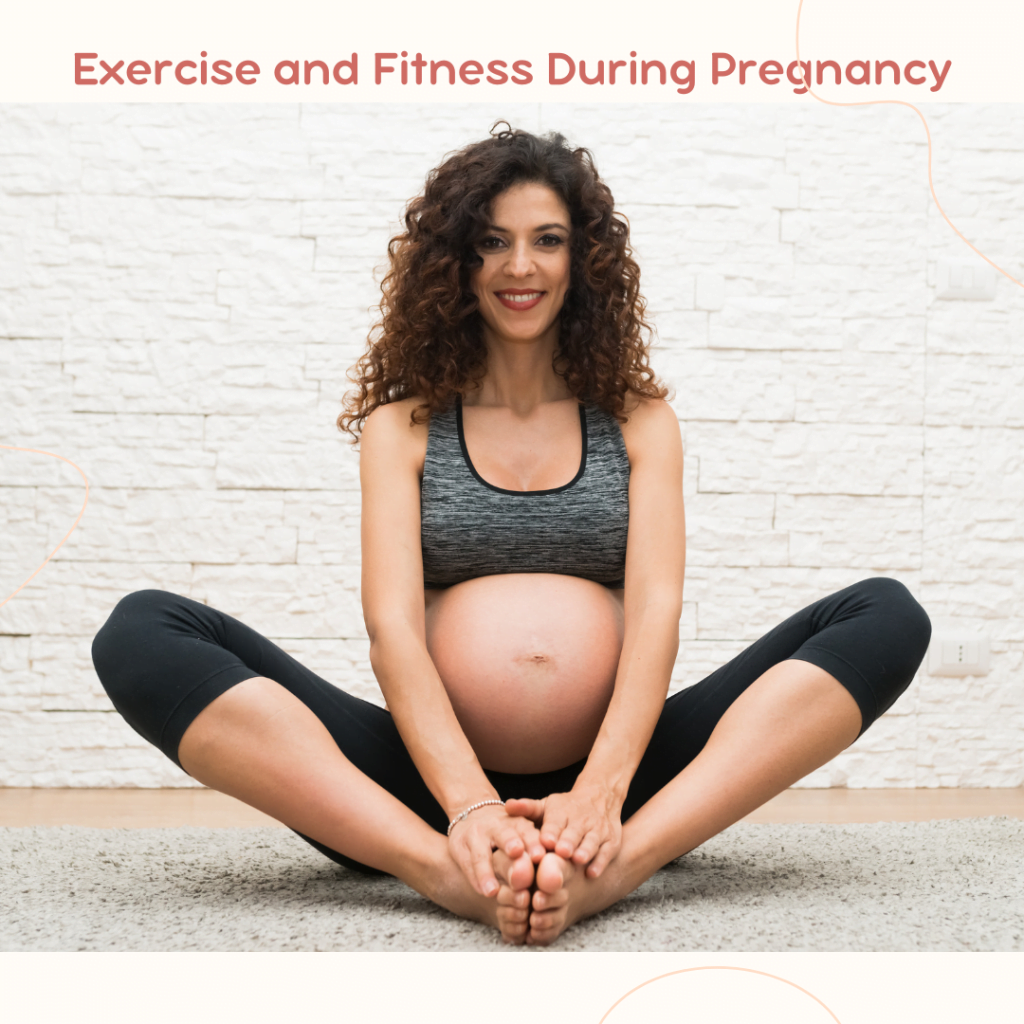



While your body undergoes remarkable changes, staying active doesn’t have to take a backseat. In fact, exercise during pregnancy offers a multitude of benefits for both you and your baby. This blog post will guide you through everything you need to know about exercising safely and effectively throughout your pregnancy.
Recommended tips and exercises
Starting with low-intensity exercises such as walking or swimming is recommended for women who have not done exercise before, gradually increasing to moderate intensity. Again, aiming for at least 30 minutes of activity most days of the week is encouraged, with the option to start with shorter sessions and gradually build up. Paying attention to the body’s signals and seeking guidance from healthcare professionals are crucial components.
Other pregnancy-friendly exercises include prenatal yoga, which focuses on flexibility, strength, and balance, stationary cycling for controlled exercise, and light strength training to maintain muscle mass and posture. As one progresses, incorporating strength training, pelvic floor exercises, and stretching becomes beneficial. Consistency is essential for reaping the benefits of exercise during pregnancy.
Pelvic floor↗️ muscle strength is particularly important during pregnancy, as these muscles provide support for the uterus, bladder, and bowel. Kegel exercises are recommended to strengthen these muscles. To perform them, contract your pelvic floor muscles as if you’re stopping the flow of urine. Hold for a few seconds and release. Aim for three sets of 10 repetitions daily.
Additionally, maintaining strong abdominal muscles helps with spine support. Traditional sit-ups or crunches may not be suitable during pregnancy due to the risk of exacerbating diastasis recti abdominis, a common condition where the abdominal muscles separate at the midline. Instead, focusing on core stability exercises such as drawing the belly button toward the spine, breathing out while pulling in the belly, and holding the position can help strengthen the abdomen. These exercises can be performed in various positions throughout the day to promote core strength and stability.
Lastly, consider enrolling in a prenatal exercise class. These classes offer a structured workout routine tailored to different stages of pregnancy and led by qualified instructors who understand the unique needs of pregnant women.
Benefits of exercising when pregnant
Exercise during pregnancy offers a multitude of benefits that have been extensively researched and documented in scientific literature. These advantages encompass various aspects of maternal well-being and fetal health, contributing to a smoother pregnancy journey and better postpartum outcomes.
First and foremost, engaging in regular physical activity during pregnancy has been associated with notable enhancements in mood and stress ↗️ reduction. This can be attributed to the release of endorphins, often referred to as “feel-good” hormones, which not only uplift mood but also serve as a natural buffer against pregnancy-related anxiety ↗️ and depression.
Moreover, incorporating exercises such as swimming and walking into one’s prenatal routine can significantly alleviate back pain—a prevalent discomfort experienced by many expectant mothers. These low-impact activities help fortify core muscles, crucial for providing adequate support to the back and reducing the incidence and severity of backaches.
Another significant benefit of exercising during pregnancy is its role in managing weight gain. By staying physically active, expectant mothers can better regulate weight throughout gestation, which holds implications not only for their own health but also for the well-being of the developing fetus.
Furthermore, regular physical activity promotes improved sleep ↗️ quality—a precious commodity for pregnant individuals grappling with fatigue and hormonal fluctuations. By fostering better sleep patterns, exercise helps mitigate the sleep disturbances commonly experienced during pregnancy, thus enhancing overall maternal rest and recuperation.
Additionally, the positive effects of physical activity extend to gastrointestinal health, with exercise aiding in the alleviation of constipation—a discomfort frequently encountered during pregnancy. By stimulating bowel movements, physical activity contributes to relieving the associated discomfort and promoting regularity.
Moreover, engaging in exercise during pregnancy has been shown to lower the risk of developing gestational diabetes and preeclampsia, two potentially serious complications. By positively influencing blood sugar control and blood pressure regulation, regular physical activity can help mitigate the onset or severity of these conditions, thereby safeguarding maternal and fetal health.
Furthermore, preparing for the rigors of labor and childbirth is another compelling reason to incorporate exercise into one’s prenatal regimen. Strengthening muscles and enhancing stamina through regular physical activity can better equip the body to endure the physical demands of labor, potentially leading to smoother birthing experiences.
Lastly, the benefits of exercise extend beyond pregnancy, facilitating a swifter postpartum recovery period. By maintaining an active lifestyle throughout gestation, individuals are better positioned to regain strength and vitality following childbirth, thereby, promoting overall well-being in the postnatal period.
In summation, the advantages of exercise during pregnancy are manifold and far-reaching, encompassing physical, emotional, and physiological aspects of maternal health. By embracing regular physical activity, expectant mothers can optimize their well-being, enhance fetal development, and lay the groundwork for a smoother transition into the postpartum period.
Exercises to avoid during pregnancy
During pregnancy, it’s crucial to prioritize both the health of the mother and the baby. While exercise is generally beneficial, certain activities pose risks that need to be carefully considered and possibly avoided altogether. One category of such activities includes contact sports, which inherently carry a high risk of falls or collisions. These situations can pose a threat to both the mother and the developing fetus.
Additionally, exercises that put significant strain on the abdominal muscles should be approached with caution. Such activities not only place stress on the back but also can contribute to diastasis recti, a condition characterized by the separation of the abdominal muscles. This separation can lead to discomfort and potentially complicating factors during pregnancy.
High-impact exercises, such as jumping, sudden twists, or running, can also be problematic. These activities place excessive stress on the joints and may strain ligaments, increasing the risk of injury. Considering the physiological changes that occur during pregnancy, it’s essential to prioritize exercises that are gentler on the body.
Furthermore, certain positions should be avoided as pregnancy progresses. Activities that require lying flat on the back can restrict blood flow to both the heart and the uterus, particularly in later trimesters. This restriction can lead to discomfort and potentially harmful consequences for the baby. Opting for side-lying positions can help alleviate this issue while still allowing for safe exercise.
Lastly, engaging in activities such as scuba diving during pregnancy is not recommended. The changes in blood pressure associated with diving can be harmful to the developing fetus. Therefore, it’s best to steer clear of such activities to minimize risks to both the mother and the baby.
If you’re unsure about an exercise, always consult your doctor.
Motivating yourself to exercise during pregnancy
Maintaining motivation during pregnancy can pose quite a challenge. It’s a time of significant physical and emotional changes, and carving out time and energy for exercise may seem daunting. However, there are several strategies you can employ to keep yourself motivated and committed to staying active throughout your pregnancy journey.
Firstly, it’s crucial to find an exercise type that you genuinely enjoy. Pregnancy is not the time to force yourself into activities that feel like a chore. Whether it’s swimming, prenatal yoga, walking, or dance classes, choose activities that bring you joy and make you feel good. When you look forward to your workouts, you’re more likely to stick with them.
Setting realistic goals is another essential aspect of staying motivated during pregnancy. Start with small, achievable goals tailored to your current fitness level and physical condition. Perhaps your goal for the week is to go for a short walk three times or attend a prenatal exercise class. As you accomplish these smaller goals, gradually increase the duration and intensity of your workouts. Celebrate each milestone along the way, acknowledging the progress you’re making.
Having a workout buddy can significantly enhance your motivation. Whether it’s a friend, partner, or fellow expectant mother, exercising with someone else can provide accountability and make the experience more enjoyable. You can encourage each other, share experiences, and celebrate achievements together, fostering a sense of camaraderie that boosts motivation.
It’s also essential to remind yourself of the benefits that regular exercise offers during pregnancy. Not only does it contribute to your overall health and well-being, but it can also have positive effects on your baby’s development. From improving circulation and reducing discomfort to boosting mood and energy levels, exercise plays a vital role in promoting a healthy pregnancy and preparing your body for childbirth.
In addition to focusing on the benefits, don’t forget to reward yourself for your efforts. However, instead of using food as a reward, consider treating yourself to non-food incentives. Whether it’s indulging in a relaxing prenatal massage, purchasing a new workout outfit, or enjoying some leisure time with a favorite hobby, find ways to celebrate your accomplishments and nurture yourself along the way.
By incorporating these strategies into your routine, you can cultivate the motivation and commitment needed to prioritize exercise during pregnancy. Remember that every step you take towards staying active contributes to your well-being and sets the stage for a healthy pregnancy and postpartum recovery.
Partner’s role in supporting your exercise routine
Having a supportive partner can significantly enhance your exercise journey in numerous ways. One of the most beneficial aspects is the opportunity for your partner to actively participate in your workouts. Exercising together not only fosters a sense of companionship but also serves as a potent motivator. Sharing this experience creates a unique bond between partners, strengthening the emotional connection while simultaneously boosting fitness levels.
Moreover, your partner can play a pivotal role in facilitating your exercise routine by assuming additional responsibilities within the household. By taking on tasks such as household chores, your partner can alleviate some of your burdens, thereby granting you more time and mental space to dedicate to your fitness regimen. This redistribution of duties fosters a supportive environment where you can focus on your health and well-being without the added stress of domestic chores.
Beyond practical assistance, the emotional support provided by your partner is invaluable. Acting as your personal cheerleader, they offer encouragement and motivation every step of the way. Celebrating your achievements, no matter how small, reinforces your commitment to an active lifestyle. Their unwavering support serves as a constant reminder of your goals and helps you stay on track, even when faced with challenges or setbacks.
In essence, the involvement of your partner in your exercise routine transcends mere participation; it embodies a holistic approach to health and wellness. Together, you not only share physical activities but also cultivate a supportive environment that nurtures your overall well-being. Through companionship, assistance, and encouragement, your partner becomes an indispensable ally in your quest for a healthier lifestyle.
You might find it useful to also get in touch with some of the professionals in our web: physiotherapists, pilates instructors, yoga instructors, personal trainers, doulas, midwives, or gynecologists.