

Introduction to pregnancy week 13
As expectant mothers approach the 13th week of pregnancy, they find themselves at a pivotal juncture. This period is often met with a collective sigh of relief, as it signifies the conclusion of the first trimester—a phase that is frequently accompanied by a myriad of challenging symptoms and heightened anxiety over the risk of miscarriage. The transition into the second trimester brings with it a renewed sense of hope and anticipation.
The end of the first trimester is a milestone that is not only symbolic but also physiological. The body has been working tirelessly to support the developing embryo, which is now officially recognized as a fetus. This change in terminology reflects the significant growth and development that has taken place. The fetus is no longer just a cluster of cells but a forming human being with a beating heart and the beginnings of a unique identity.
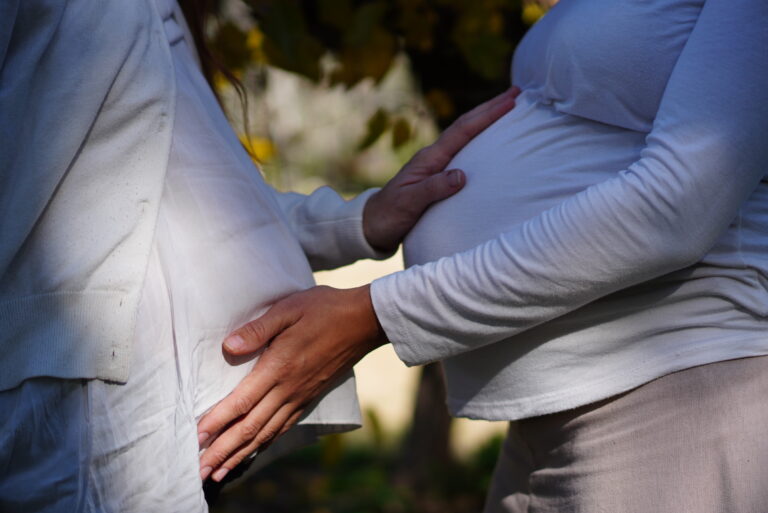
For many women, the 13th week of pregnancy is a time when the early signs of a baby bump become visible, heralding the physical manifestation of the life growing within. It’s a moment that can stir a complex mix of emotions—from joy and pride to apprehension and vulnerability. The growing uterus shifts upwards and outwards, and while this may alleviate some pressure on the bladder, it also introduces a new set of bodily changes to adapt to.
The journey up to this point has not been without its trials. Nausea, fatigue, and a host of other symptoms may have made the first trimester a challenging time. However, as hormone levels begin to stabilize, many women report a noticeable improvement in their overall well-being. The notorious morning sickness subsides for most, and there’s often an increase in energy levels, allowing mothers-to-be to engage more fully with their daily routines and to start planning for the months ahead with greater clarity.
Despite these positive developments, it’s important to remain vigilant. The risk of miscarriage, though significantly reduced, is still present. It’s a time to continue nurturing oneself and the growing baby with good nutrition , adequate rest, and regular prenatal check-ups. The second trimester is often referred to as the ‘honeymoon period’ of pregnancy but it is also a crucial time for fetal development, making self-care and informed choices as important as ever.
As the body continues to change, so too does the emotional landscape. The reality of becoming a parent starts to sink in, and with it comes a myriad of thoughts and feelings about the future. It’s a time for reflection, for dreaming, and for beginning to form a bond with the little one who is becoming more real with each passing day.
Common symptoms during week 13
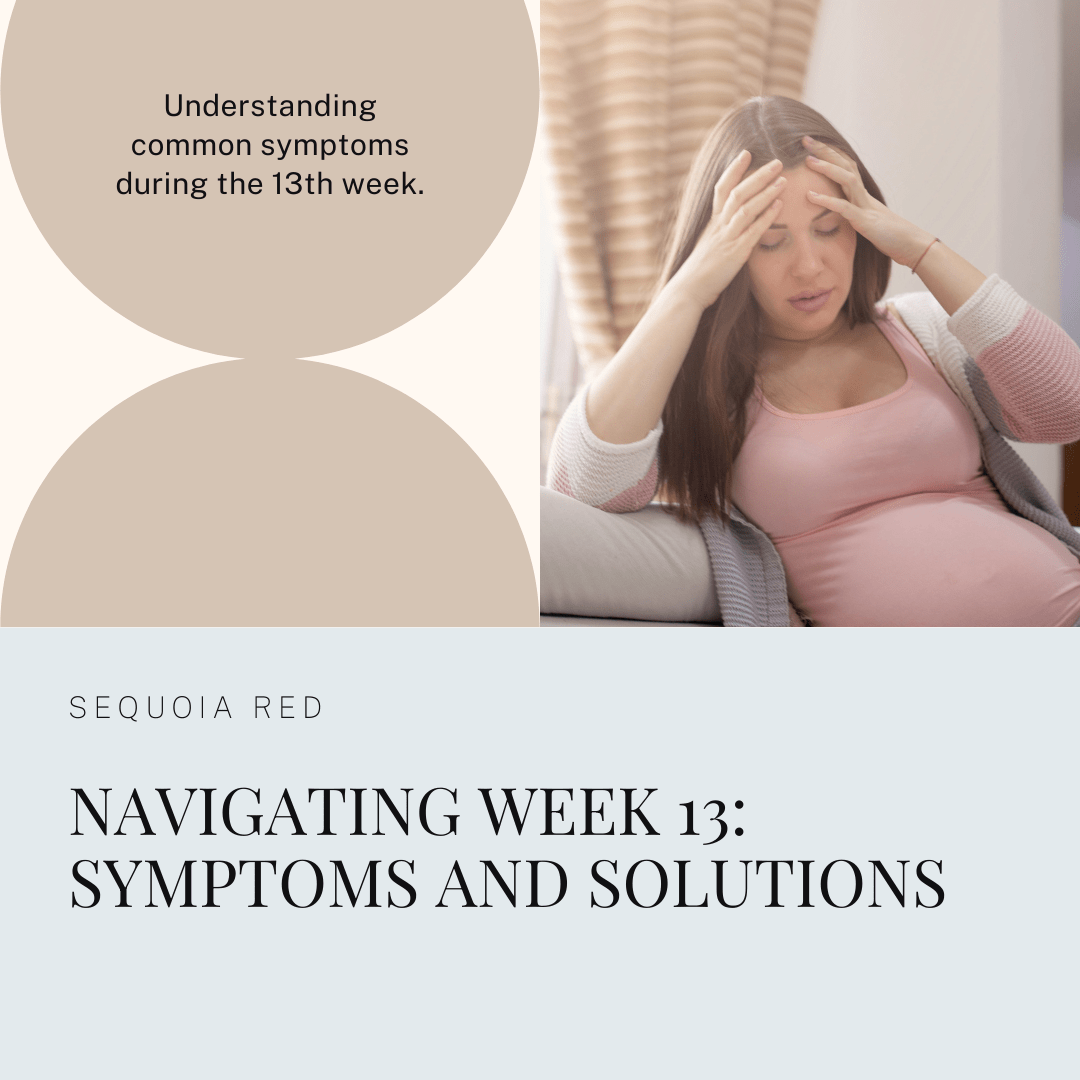
As the first trimester curtains draw to a close, the stage is set for a new act in the pregnancy play. The 13th week, often a time of transformation, can bring a mixed bag of symptoms as the body continues to nurture the growing life within. For some, the persistent nausea that once clouded their mornings begins to lift, revealing the promise of brighter days. Energy levels may rise, akin to the gentle bloom of spring after a harsh winter, allowing expectant mothers to reclaim their vigor and vitality.
Yet, this week may also introduce new characters to the scene—round ligament pain, a sharp reminder of the body’s constant adaptation; or the stuffy nose, a trivial yet constant companion. The breasts may continue their preparation for motherhood, becoming increasingly tender and full, while visible veins sketch a map of the body’s heightened activity beneath the surface.
Baby development in week 13
Within the hidden chambers of the womb, a delicate dance unfolds. At 13 weeks, the baby, now the size of a peach, is an active participant in its own development. Tiny bones are taking shape in the arms and legs, setting the stage for future movements. The baby’s intestines, having matured within the umbilical cord, now take residence in the abdomen, a sign of the intricate internal choreography of growth.
The baby’s head, once dominating the proportions of its body, begins to find harmony with the rest of its form. This is a time of balance, as the head and body learn to coexist, each part growing at its own pace. The placenta, that life-sustaining organ, is fully developed, now a lifeline that nourishes and breathes for the tiny being.
And yet, there is more happening in this quiet ballet. The baby’s vocal cords are forming, the first whisper of a future voice. The eyes, though present, remain veiled, as the eyelids are fused shut, protecting the delicate work of art that is the baby’s vision. It is a time of unseen wonders, a period of growth that is both profound and delicate.
Risks in week 13
With growth and support comes the need for vigilance. The 13th week, while a time of reduced risk, still carries its own set of concerns. The mother’s body is a fortress but one that must be guarded against potential threats. Urinary tract infections (UTIs) become a watchpoint, as they can occur more frequently and require prompt attention to prevent further complications.
The partner’s role in recognizing and responding to these risks is crucial. It is about being observant, noticing changes, and acting swiftly. It is a partnership in the truest sense, where the health and well-being of the mother and baby are held in shared hands.
Self-care during week 13
Amidst these changes, self-care becomes the protagonist, a nurturing force that guides one through the unfolding narrative of pregnancy. It’s a time to listen intently to the body’s whispers and roars, responding with kindness and attentiveness. Hydration takes center stage, a simple yet profound act of self-care that supports the increased blood volume and aids in the transport of vital nutrients to the fetus.
Nutrition, too, plays a leading role, with a balanced diet acting as the foundation upon which both mother and child can thrive. Gentle exercise remains a trusted ally, offering strength and serenity to weather the physical and emotional ebbs and flows of this journey.
As the script of pregnancy week 13 unfolds, it’s a period to embrace the changes, to find solace in the routines that provide comfort, and to prepare for the acts yet to come. It’s a chapter where symptoms and self-care dance in tandem, each step a testament to the resilience and grace of the expectant mother.
What your partner can do for you in week 13
As the baby grows, so does the role of the partner. It is a time to be the steadfast pillar, the unwavering source of comfort and support. Attending prenatal appointments becomes a shared journey, a chance to be involved in the narrative of the baby’s development. It is about being present, both physically and emotionally, ready to listen and to learn.
The partner’s role extends beyond the walls of the doctor’s office. It is in the everyday moments, the small acts of kindness—the preparation of a meal, the soothing touch, the words of encouragement—that the partner’s support is felt. It is about creating a sanctuary, a place of peace and safety for the mother-to-be, where she can rest and gather strength for the path ahead.