


Introduction to pregnancy week 15
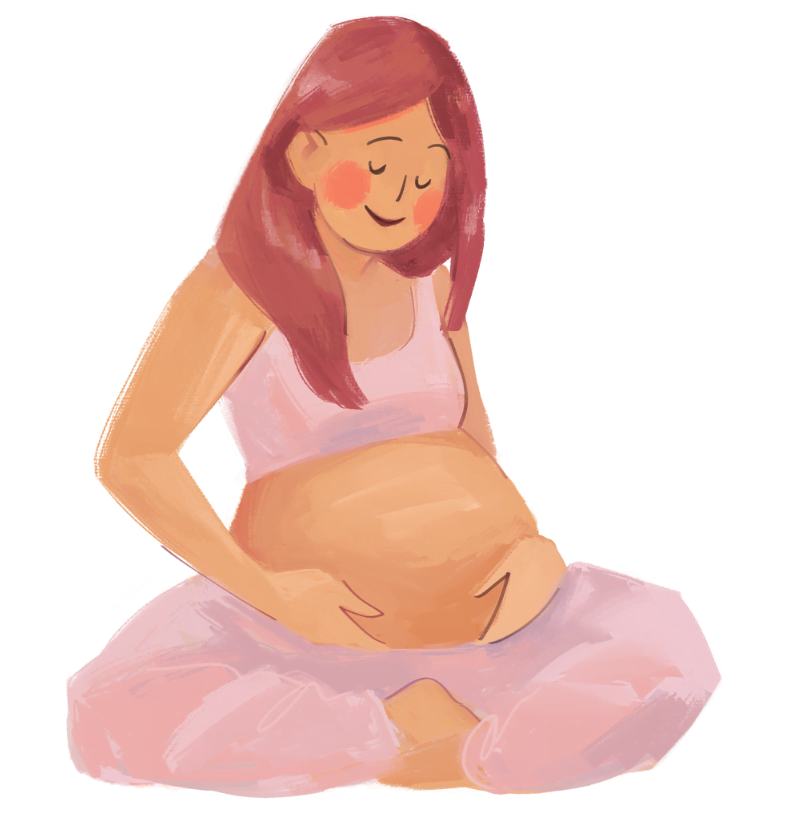
As the body adjusts to the hormonal changes of pregnancy, week 15 highlights the incredible transformations taking place. The uterus, now nurturing the growing life within, begins to expand more noticeably, causing the belly to bulge outward – a visible sign of the miracle unfolding. This week is less about the dramatic shifts of the first trimester and more about the subtle yet profound developments that pave the way for the exciting weeks ahead.
The physical manifestations of pregnancy become more pronounced during this week. The abdomen continues to expand to accommodate the growing uterus, a constant reminder of the incredible process happening inside. However, with these changes come new experiences. Some women may experience round ligament pain, a dull ache caused by the stretching muscles supporting the uterus. While uncomfortable, it’s a testament to the body’s remarkable ability to adapt and nurture the developing baby.
Week 15 also brings or continues the sense of normalcy installed in the previous week(s). The extreme symptoms of early pregnancy fade, allowing women to reclaim a sense of self and stability. It’s a time for reflection, for looking inward and connecting with the tiny being that grows more real with each passing day.
Baby development in week 15
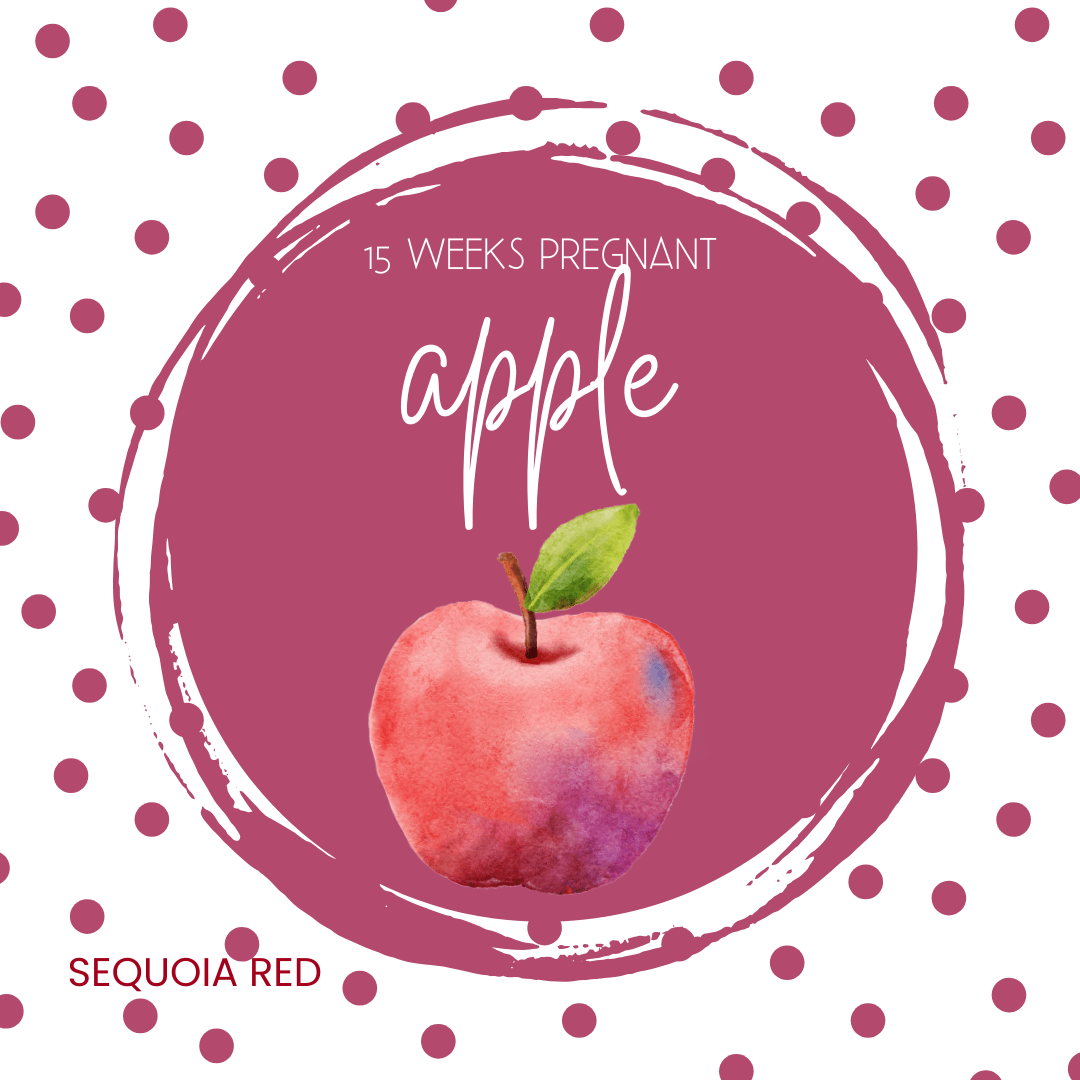
The development of your baby at week 15 is nothing short of miraculous! Your little one, now about the size of an apple, is undergoing rapid growth and transformation. The bones in their tiny body are starting to harden, forming the framework for their future life. While you can’t feel them yet, your baby’s movements are becoming more coordinated, with their little limbs flexing and their heart beating strong and steady.
Their facial features are also becoming more defined. Their ears and eyes are moving to their final positions, giving your baby a more recognizable human appearance. This is a time of sensory awakening! Your baby can now sense light and is starting to hear muffled sounds from the outside world, including the comforting rhythm of your heartbeat.
Common symptoms during week 15
As you travel through week 15 of pregnancy, your body is a changing landscape with a variety of symptoms, both familiar and new. This week might feel more balanced compared to the first trimester, but there are still unique experiences that remind you of the tiny life growing inside.
You might feel round ligament pain, a dull ache caused by your expanding womb stretching to make room for the baby. This discomfort is a sign of your body’s amazing ability to adapt and support your growing baby.
Another change you might notice is in your oral health. Some women experience swollen and sometimes bleeding gums during pregnancy. This is a reminder of how interconnected all our body systems are, as pregnancy can even affect areas you might not expect.
Risks in week 15
While week 15 is generally a safe time, there’s always a chance of complications. You might experience body aches, tingling sensations in your hands and feet, or darkening of the skin around your nipples. There’s also a small chance of developing hyperemesis gravidarum, a severe form of morning sickness that needs medical attention.
It’s important to be aware of signs of preterm labor, gestational diabetes, and infections, as all of these can pose risks to both you and your baby.
Self-care during week 15
This is a time to nurture not just the baby inside you, but also the amazing vessel that carries it – your body! Self-care during pregnancy is about finding a balance between listening to your body’s needs and responding with gentle acts of comfort and support.
Simple things like moisturizing to soothe itchy skin, or wearing loose-fitting clothes can be powerful acts of self-care that honor your body’s current state. Eating a balanced diet is also crucial, as it provides nourishment for both you and your developing baby. Gentle exercises like prenatal yoga offer a wonderful combination of movement and meditation, promoting both physical well-being and mental calmness.
Partner support in week 15
In this beautiful journey of growth, your partner plays a vital role, both subtle and significant. They can be your emotional rock, helping you navigate the rollercoaster of feelings that come with pregnancy. Whether it’s attending prenatal appointments with you or simply being there to listen, your partner’s involvement can be a source of great comfort and strength.
Your partner can also help with the practical aspects of pregnancy. Taking care of household chores, encouraging healthy eating habits, and making sure you get enough rest are all ways they can support you. This is a time for your partner to step into a nurturing role, offering you a steady hand that guides and protects you.