


Debunking myths about sports and the pelvic floor
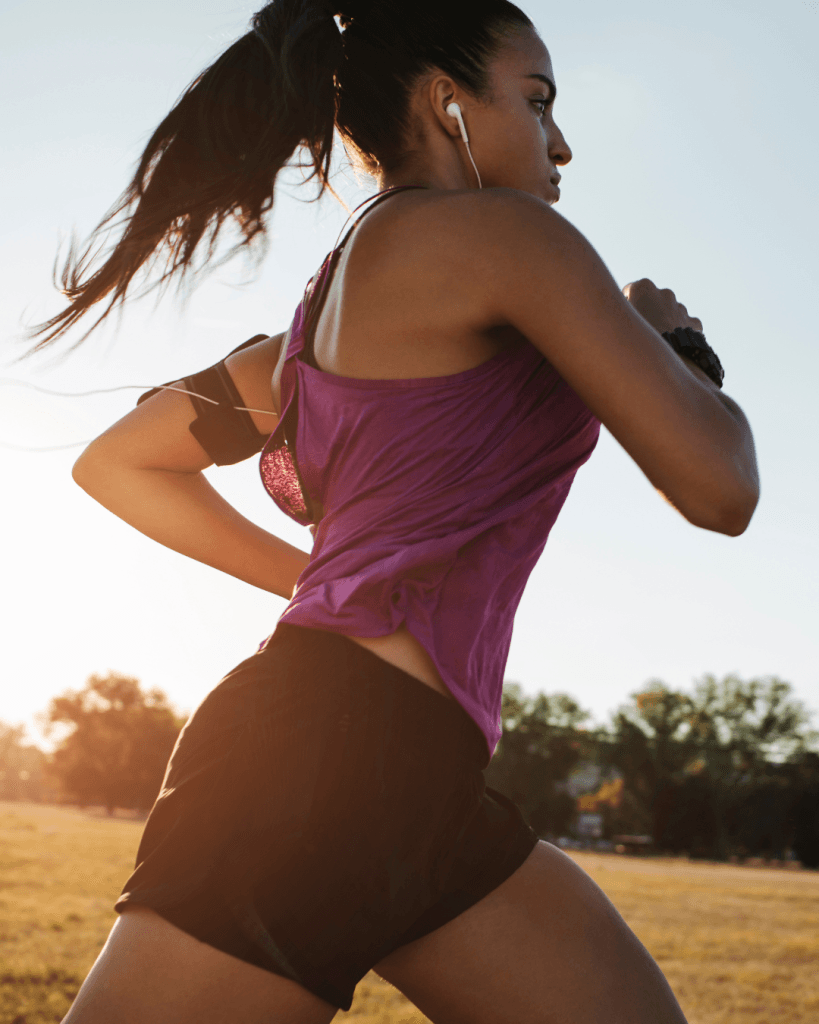
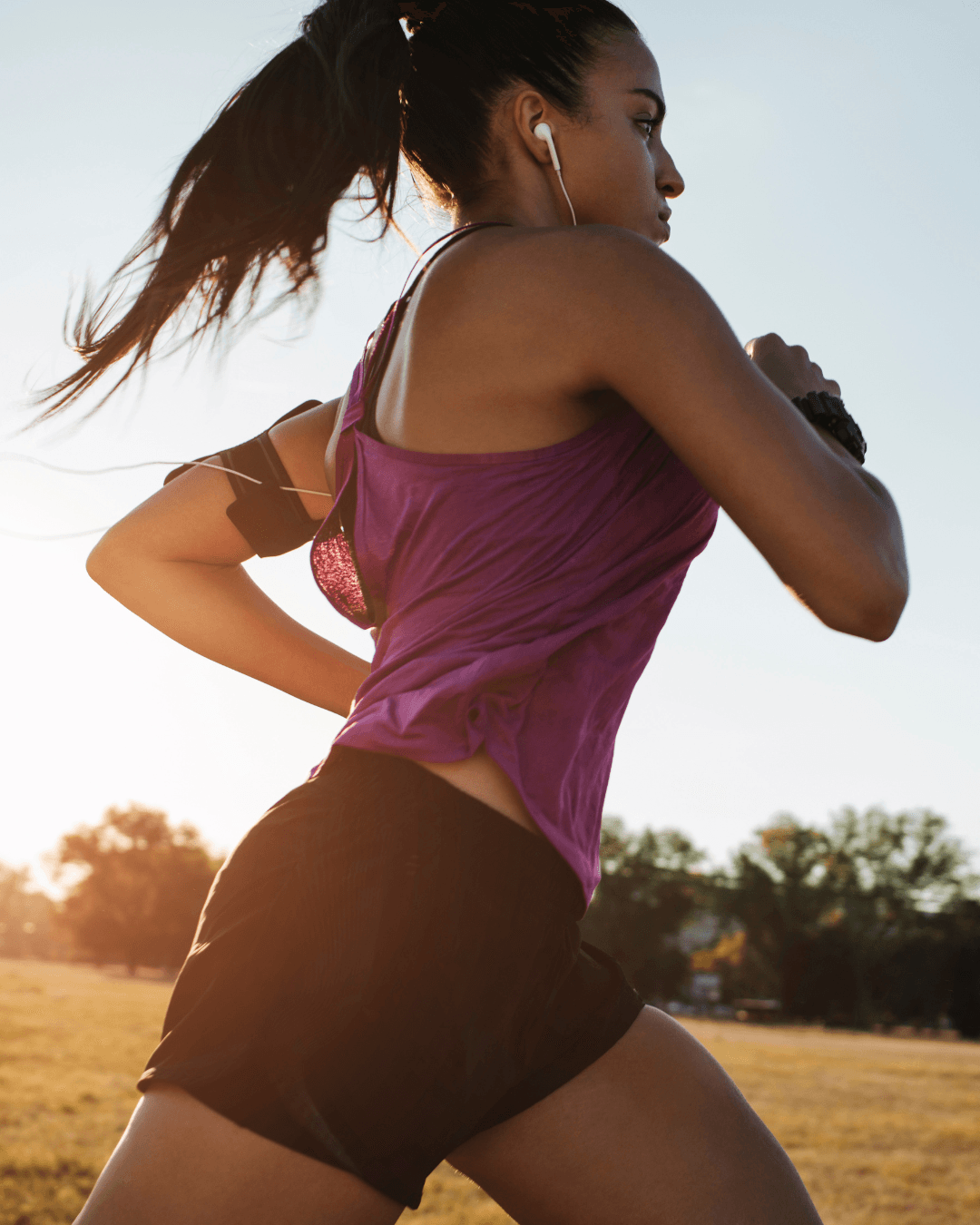
Do you stop running if you have leakage?
No, it is not mandatory. Evidence shows you don’t have to give up running, but it is vital to adapt your practice according to your situation. Don’t normalize the symptoms, that is the problem. A high percentage of the population (≈23%) suffers from urinary incontinence (UI), and they have normalized this situation instead of addressing it.
It is common that after childbirth our body does not respond the same way to exercise. The excess of relaxin after childbirth means our structures are not prepared for impact. Therefore, it is important to plan a proper adaptation to exercise where the goal is to return to impact activities.
To reach the moment of “returning to running”, it is essential to have a pelvic floor and abdominal assessment with a specialist. This professional will provide you information about the state of your tissues, and you can plan an individualized treatment to return to physical load.
Debunking myths about sports and the pelvic floor
- “Kegels are enough”: No. The evidence for Kegels is good but not exclusive. A meta-study in BJU International (2024) points out that protocols vary a lot, and the comparison between sports + pelvic floor still needs standardization. So working exclusively with Kegels does not guarantee a return to impact without incontinence.
- “Yoga does nothing”: False. A clinical trial at UCSF compared yoga with a generic strengthening program: both reduced UI by about 60% in middle-aged women.
- “It only happens if you have given birth or are older”: Not exclusive. Young women, Olympic athletes, and even those without children can suffer UI during sports. It may be due to poor pressure management in sports and is not always related to childbirth or menopause.
Adapt the activity according to the case
- Pelvic floor strengthening
- Doing a perineal and abdominal assessment helps individualize treatment for each patient.
- Evidence suggests pelvic floor physiotherapy improves continence more in athletes than in sedentary women (pubmed.ncbi.nlm.nih.gov).
- Moderate general exercise
- Any moderate physical activity (walking, swimming, strengthening legs and core) reduces UI as much as specific exercises.
- Strength training guided by a professional can be your great ally to improve UI.
- Running technique training
- Modifying cadence and reducing impact force can eliminate leakage in chronic cases.
- Assessing foot strike with a podiatrist can help improve running support.
Reminders
- ✅ You don’t have to stop running, but you do need to adjust the activity and practice proper strengthening.
- There are multiple strategies: self-awareness, physiotherapy, strength training, general exercise, and a healthy lifestyle.
- In persistent cases, consult specialists in pelvic floor and prepare each case individually.