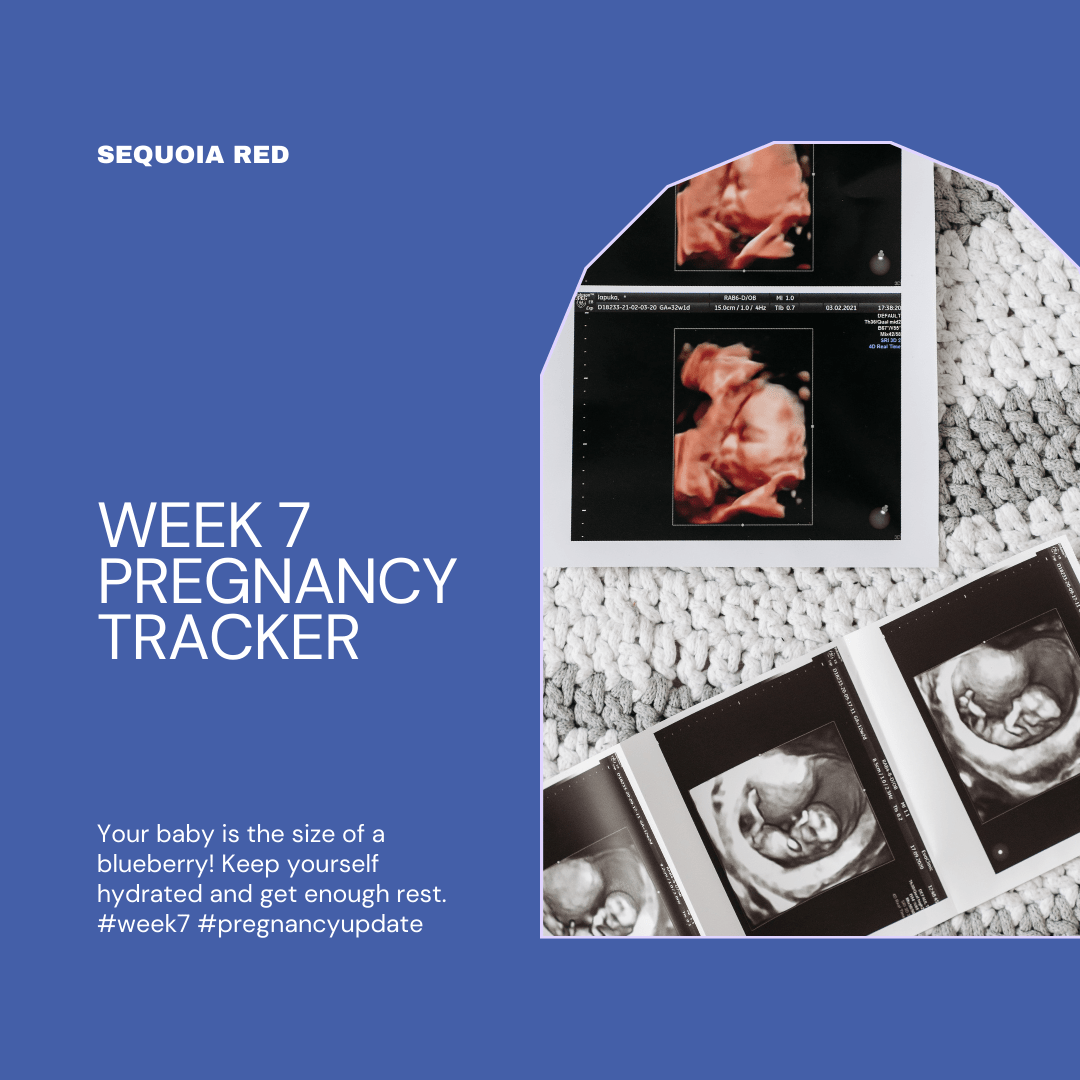




Introduction to pregnancy week 7
Welcome to the seventh week of your pregnancy journey! By now, you’ve likely experienced a mix of emotions—excitement, curiosity, and perhaps a touch of anxiety. Rest assured, this phase is both exciting and transformative. At 7 weeks pregnant, the pregnancy journey is well underway, and your tiny blueberry-sized embryo is undergoing incredible transformations. Let’s delve into the intricacies of this pivotal week.
Baby development in week 7
At this stage, your embryo is approximately 0.6 centimeters long—about the size of a blueberry. But don’t let its small stature fool you; within this minuscule form lies a world of growth and potential.
This is a period of rapid brain development. Your baby’s brain is growing rapidly, generating new brain cells at an astonishing rate of 100 per minute.
Your baby’s hand and foot buds resemble tiny paddles at this stage. Soon, these will transform into fingers, toes, and fully formed limbs. The intricate process of limb development is underway.
Further on, the umbilical cord—the lifeline connecting your baby to the placenta—has made its grand entrance. Through this vital tube, oxygen, nutrients, and waste products flow, ensuring your baby’s well-being.
Your baby’s kidneys are now in place, poised to begin their essential work of waste management. Soon, your little one will even start producing urine—though thankfully, no diapers are needed just yet!
Common symptoms during week 7
As your baby grows, your body undergoes its own set of changes.
As in the previous weeks, nausea may continue to follow you around day and night, a testament to the hormonal shifts occurring within. Remember, it’s a sign that your pregnancy hormones are doing their job. Additionally, your breasts are likely to feel fuller and more sensitive. Hormonal changes may also cause food aversions and mood swings. Lastly, hormones also affect your digestive system potentially causing constipation. Stay hydrated and include fiber-rich foods to ease things along.
Frequent urination and excessive saliva are other common symptoms in this week. Your bladder is working overtime. Frequent trips to the bathroom are par for the course. Moreover, you might find yourself drooling a bit more. Blame it on pregnancy excess saliva. Lastly, as your uterus expands, it puts pressure on your stomach, leading to heartburn. Smaller, more frequent meals can help.
Risks in week 7
Pregnancy is often depicted as a beautiful and transformative journey, but it’s important to acknowledge and understand the potential risks involved.
Firstly, the risk of miscarriage is still present during this stage. Statistics suggest that approximately 10-20% of pregnancies end in miscarriage within the first trimester. Various factors such as genetic abnormalities, hormonal imbalances, and maternal health conditions can contribute to this risk.
Morning sickness can be quite intense during week 7. However, it may also lead to challenges in maintaining adequate nutrient intake. To mitigate this, it’s advisable to opt for small, frequent meals and ensure proper hydration. If morning sickness becomes severe, seeking advice from your healthcare provider is recommended. You may consider your gynecologist, generalist, midwife, or nutritionist.
Additionally, the increase in blood volume during pregnancy can put a strain on your cardiovascular system, potentially leading to elevated blood pressure. Regular cardiovascular prenatal check-ups become crucial at this stage to monitor blood pressure levels and address any emerging concerns.
On the emotional front, hormonal fluctuations may lead to heightened levels of anxiety, mood swings, and stress. Seeking support from your partner, friends, or even a counselor can be beneficial during this time. Remembering to prioritize self-care is equally important.
Furthermore, it’s imperative to steer clear of harmful substances such as alcohol, tobacco, and recreational drugs, as they can significantly impact fetal development. If you have any doubts or questions regarding medications or lifestyle choices, consulting with your gynecologist, generalist, or midwife is always advisable. If it is difficult for you to renounce at these substances, consider the advice of a licensed therapist.
Self-care during week 7
Taking care of yourself is paramount during pregnancy.
If you haven’t already, try joining prenatal exercises like prenatal yoga, pilates, or ballet classes. They provide a safe space to stretch, relax, and connect with fellow parents.
Alternatively or additionally, you can treat yourself to a prenatal massage. These specialized massages are exclusively available to pregnant women. They alleviate muscle tension, improve circulation, and promote relaxation. Remember, this is your time to unwind and nurture your body. Consult a healthcare provider before getting a massage during pregnancy.
Don’t forget, there are also free treats you can enjoy in this period. While anticipating your little one’s arrival, explore cost-effective ways to pamper yourself. Spending time in nature, or reading a book are such options.
Most importantly, embrace the changes! As your body transforms, embrace the differences. Your breasts may be growing, and you might experience morning sickness, heightened sense of smell, and food aversions. These are all normal aspects of pregnancy. Be kind to yourself and recognize that your body is working tirelessly to nurture your baby.
Partner support in week 7
During pregnancy, your partner plays a vital role in your well-being and the journey towards parenthood. Their emotional support is invaluable, and this can take many forms. Whether it’s listening patiently when you need to vent, offering words of encouragement, or simply being a comforting presence, their support makes a significant difference. Remember, open communication is key throughout pregnancy. Don’t hesitate to share your needs and preferences with your partner, and be open to theirs as well.
Encourage your partner to delve into the world of pregnancy literature. By immersing themselves in information about fetal development and the changes your body undergoes, they can better comprehend your experiences. This knowledge equips them to provide informed and empathetic support as you navigate the nuances of pregnancy.
Consider taking prenatal classes together. Enrolling in classes designed for expectant parents allows both of you to delve into topics such as childbirth techniques, breastfeeding essentials, and infant care practices. By attending as a team, you foster a sense of unity and preparedness, ensuring that you face the upcoming challenges hand in hand.
The rollercoaster of hormonal fluctuations during pregnancy can trigger mood swings and bouts of fatigue. In such moments, your partner’s patience and understanding become invaluable. Remind them of the significance of their unwavering support, which acts as a guiding light through the emotional turbulence you may experience.
The physical toll of pregnancy, coupled with symptoms like morning sickness and exhaustion, may leave you feeling depleted. Here, your partner can step in by assuming a more significant share of household responsibilities. Whether it’s tackling chores, preparing meals, or handling grocery shopping, their assistance ensures that you have the opportunity to rest and prioritize your well-being, ultimately contributing to a healthier pregnancy.
Amidst the whirlwind of pregnancy, it’s essential to pause and cherish the milestones, no matter how small. Your partner can actively participate in these celebrations, whether it’s listening to the baby’s heartbeat for the first time or witnessing the magic of the initial ultrasound images. Sharing these moments of joy strengthens your bond as a couple and underscores the beauty of the journey you’re undertaking together towards parenthood.