



Signs Worth Noticing: What’s Normal, What to Watch For — Without Alarm
When a mother says “my baby is a bad sleeper,” there’s usually no need for further explanation. You can see it in her tired eyes, her accumulated exhaustion, and the stress of not knowing whether what she’s experiencing is normal or if something’s wrong. The phrase “bad sleeper” has become a common label in parenting — but what does it really mean? Is there even such a thing as a “good” or “bad” sleeper? And more importantly, when should we pay attention?
Sleep development: a process, not a straight line
Before labeling a baby as a “bad sleeper,” it’s essential to understand that infant sleep is not static. It evolves based on age, neurological development, growth milestones, feeding, and many other factors.
In the first years of life, night wakings are physiological. A baby who wakes several times during the night is not necessarily sleeping “badly” — they may simply be responding to a real need (hunger, discomfort, emotional regulation, or contact).
For example:
- A baby between 0 and 6 months may wake every 2–4 hours to meet basic needs.
- Between 6 and 12 months, many babies still wake up, though less frequently.
- Even children aged 2 or 3 may go through phases of night waking due to changes, fears, or emotional growth.
What may seem like a problem to adults can often be a sign of healthy development.
What’s normal and expected?
Some common — and yes, tiring — sleep behaviors are entirely normal in infancy:
- Frequent night wakings in babies under 1 year.
Sleep happens in short cycles. It’s completely normal for babies to wake several times and need help falling back asleep.
- Needing contact to fall asleep.
Many babies feel safer sleeping near their caregivers. Co-sleeping or being accompanied to sleep is an emotional need, not a bad habit.
- Sudden changes in sleep patterns.
What seemed to “work” yesterday may stop working today due to a sleep regression, growth spurt, teething, or emotional changes.
- Sleep associations.
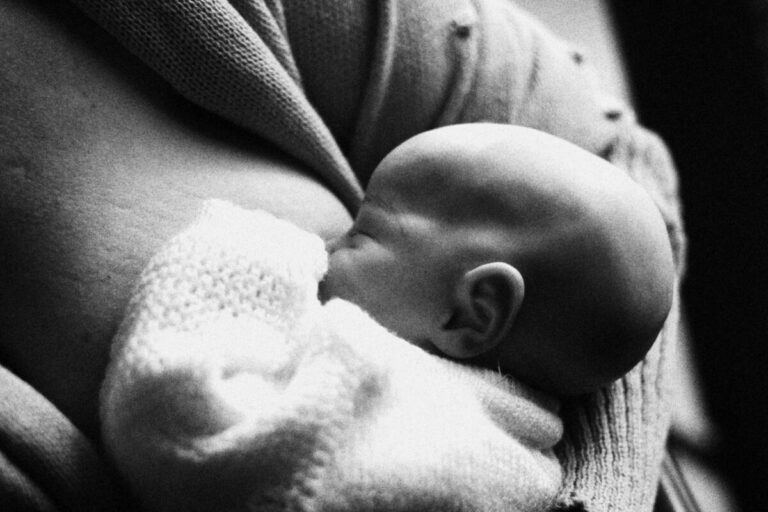
Falling asleep at the breast, in arms, or while being rocked is completely normal in the early months — and far more common than we usually admit.
When should you pay closer attention?
Without falling into alarmism, there are some signs worth watching:
- Extremely frequent wakings (every 30–45 minutes) throughout the night, chronically, accompanied by lots of crying and difficulty settling.
- Highly fragmented sleep that impacts your baby’s development or daytime well-being. For example, constant fatigue, poor feeding, or low alertness.
- Constant and intense resistance to sleep, with prolonged crying, panic, or refusal to settle at night. These could reflect deeper emotional needs.
- Loud snoring, pauses in breathing, excessive sweating, or unusual sleep postures — these may warrant a medical consultation.
- When parents feel they’ve reached their limit.
Sometimes it’s not the baby’s behavior that’s the issue, but how parents are coping. If sleep deprivation is affecting your mental health, relationship with your baby, or your partner, it’s time to seek support.
Why the label “bad sleeper” doesn’t help
Calling a baby a “bad sleeper” is vague and often unfair. It can lead to frustration and guilt, and it reinforces the myth that sleep should be perfect and uninterrupted from just a few months old — which is not supported by developmental science.
It’s far more helpful to talk about babies with different sleep needs, temporary challenges, or sleep patterns still maturing. This shift in perspective allows us to support them with empathy, not judgment, without trying to “fix” what isn’t broken.
What to do if something doesn’t feel right
- Observe with curiosity, not criticism.
Keeping a simple sleep journal can help you see patterns and changes over time. - Seek professional support if needed.
A pediatric sleep consultant or child health professional can help you understand what’s going on — without rigid methods or magic formulas. - Listen to your gut.
You know your baby better than anyone. If something feels off, it’s worth paying attention. - Care for your rest too.
Rest doesn’t have to mean long stretches of uninterrupted sleep — it can also mean short naps, sharing night duties, or just having quiet time to reset.
There’s no such thing as a “bad sleeper” — only babies with unique rhythms, real needs, and families doing their best in a sea of conflicting advice. Observing, understanding, and supporting infant sleep from a place of connection is far more effective than fighting it.
And if you ever doubt whether you’re doing it right, remember this: if you’re looking for answers with love, you’re already doing better than you think.