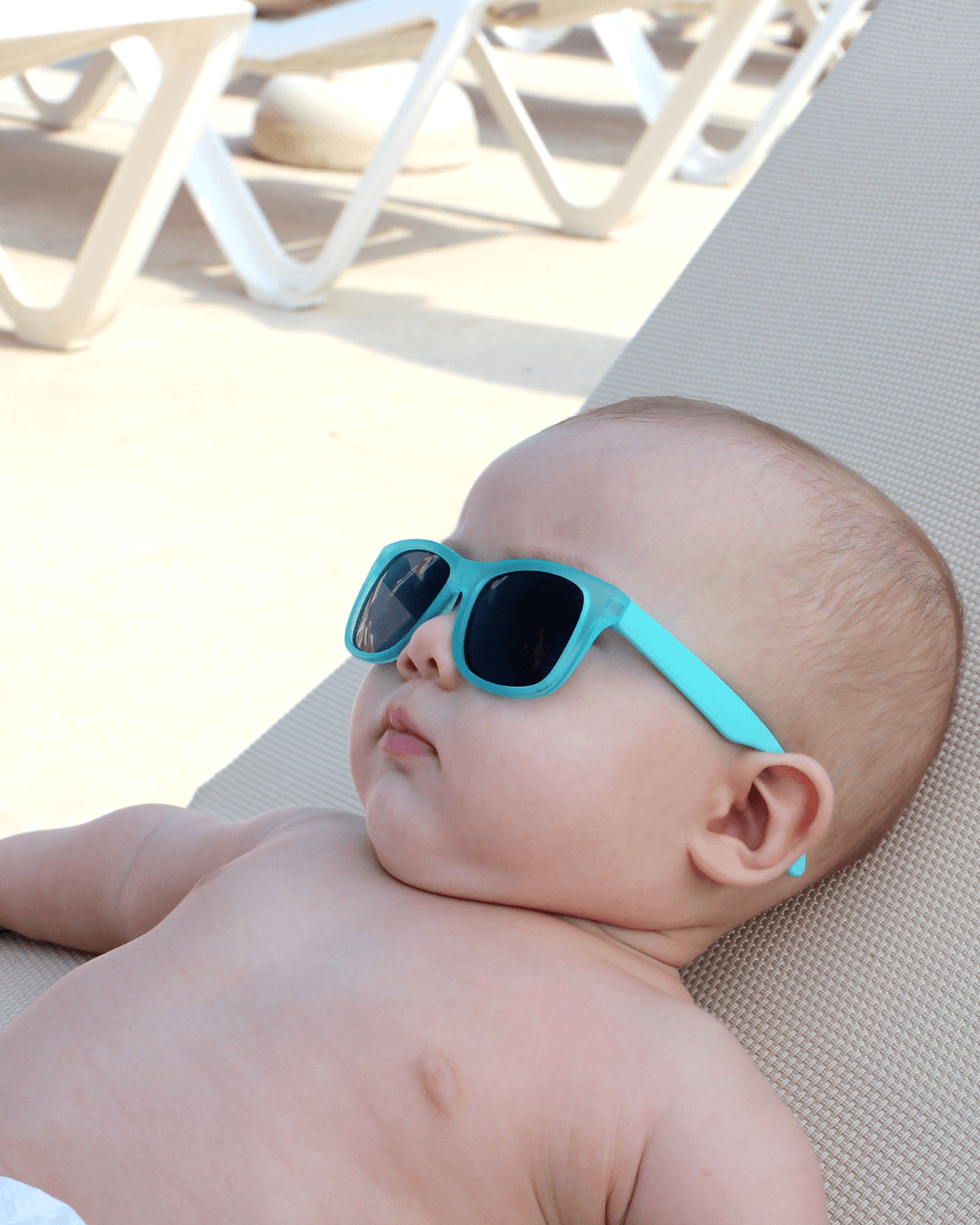




Summer is one of the seasons families look forward to the most: the days are longer, there’s more time outdoors, holidays, social gatherings, and an overall feeling of freedom and flexibility. Yet for babies, this season can turn their world upside down. What feels like fun to us can become an overload of stimuli that directly interferes with their rest.
As a child-sleep psychologist and consultant, I often see how the hot months bring more night-time wakings, trouble falling asleep, and irregular naps. In this article I explain why this happens, how it affects your baby’s well-being, and what you can do to navigate summertime more smoothly.
Why does summer disrupt a baby’s sleep?
Longer days = altered circadian rhythms
Our body clock—our circadian rhythm—follows light cues. In summer, daylight stretches late into the evening, delaying the production of melatonin, the hormone that helps us fall asleep. Babies, especially those under two, are extremely sensitive to natural light, so putting them to bed while it’s still bright can be a real challenge.
More environmental stimuli
Summer brings extra visits, outings, noises, and changes of place—lots of additional sensory information for a rapidly developing brain. These experiences aren’t negative in themselves, but when they’re excessive or unpredictable they can lead to over-excitement. And an overstimulated baby finds it harder to relax, self-regulate, and fall asleep.
Routine disruptions
Holidays, trips, family visits, and flexible schedules often loosen (or erase) previous sleep routines. This is especially tough in the first years of life when predictability and repetition are key to quality sleep.
Physical discomfort: heat, sweat, dehydration
Excess heat can make it hard to fall—or stay—asleep. Babies struggle to regulate body temperature, so they often wake from thermal discomfort. If they’re breastfeeding they may need more night feeds, or more water if they’re on solids, which further fragments sleep.
Signs your baby is overstimulated
Recognising overstimulation is the first step in stepping in on time. Common signs include:
- Frequent, inconsolable crying late in the day
- Sudden hyperactivity or excitement just before bedtime
- More frequent night wakings or earlier morning wake-ups
- Shorter or irregular naps
- Difficulty calming with usual methods (arms, breast, pacifier)
- Increased irritability and frustration during the day
Remember: a tired baby isn’t always drowsy and calm—often the opposite happens, and they become restless, agitated, and harder to self-soothe.
What can you do to help your baby in summer?
Although you can’t control everything that happens in summer, small adjustments can greatly protect your baby’s rest.
Protect their schedule (as much as possible)
Keeping consistent nap and bedtime hours gives your baby a clear reference of what’s coming next. Flexibility matters, but try not to let changes pile up for days on end. If one night bedtime is later, aim to return to the usual routine the following day.
Create a sleep-friendly environment
- Darken the room even if it’s still bright outside—black-out curtains or blinds help.
- Make sure the sleep space is well-ventilated with lightweight bedding.
- White noise can mask outside sounds such as parties, neighbours, or street noise.
Slow the pace toward the end of the day
At least an hour before bedtime, avoid very active play, screens, loud music, or lots of interactions. Choose calmer activities such as reading, singing, massage, or gentle connection games—sending your baby’s nervous system the message that it’s time to wind down.
Don’t overload the day
In summer we often want to “make the most of every day,” but babies don’t need a packed agenda. One or two outings or new stimuli per day are more than enough. Leave rest periods between activities.
Hydration and comfort
Offer fluids frequently (breast milk, formula, or water depending on age) and dress your baby in light cotton clothing. On very hot days a lukewarm bath before bed can help regulate temperature and relax them.
Mind your own rest
This point is just as important. When routines change and the baby sleeps worse, parents become tired too. Find moments to rest, even brief ones. Lean on your support network, delegate when you can, and avoid over-committing if you notice you’re also more irritable or exhausted.
Quality child sleep is closely tied to caregivers’ emotional well-being. Sleeping well isn’t only a baby’s need—it’s yours too.
In short, summer can disrupt babies’ sleep because of the combined effects of light, heat, routine changes, and excess stimuli. It’s not about avoiding all summer experiences, but about balancing them with calm moments, predictable routines, and proper sleep environments.
If your baby is having significant sleep difficulties and it’s affecting family life, don’t hesitate to seek help. Professional guidance can make a big difference—both for your child’s rest and for your peace of mind.