


Tips to Improve Rest During Heat Waves, What to Watch For, and How to Act
Sleep is a vital need for the physical, emotional, and cognitive development of babies and children. However, during the hottest months of the year, many families face a common difficulty: high nighttime temperatures that interrupt the rest of the little ones. Heat waves not only cause discomfort; they can also affect the quality and quantity of children’s sleep, negatively influencing their overall well-being.
In this article, we explore how heat interferes with the sleep of babies and children, what signs we should observe, and what measures we can take to help them sleep better.
How Does Heat Affect Children’s Sleep?
The human body naturally regulates its temperature throughout the day, but during sleep this ability is reduced. To fall asleep, the body temperature needs to drop slightly. When the environment is very hot, this process is disrupted, making it harder to fall asleep, stay asleep, and reach deep sleep phases like REM sleep, which is crucial for memory consolidation and emotional regulation.
In babies and young children, this mechanism is even more vulnerable because their thermoregulatory system is still developing and they have less ability to adapt to sudden temperature changes. This results in frequent awakenings, excessive sweating, irritability upon waking, or difficulty falling asleep.
Signs That Heat Is Affecting Their Rest
Some common signs of sleep disturbance due to heat include:
- More frequent night awakenings than usual
- Sweat on the head, back, or chest upon waking
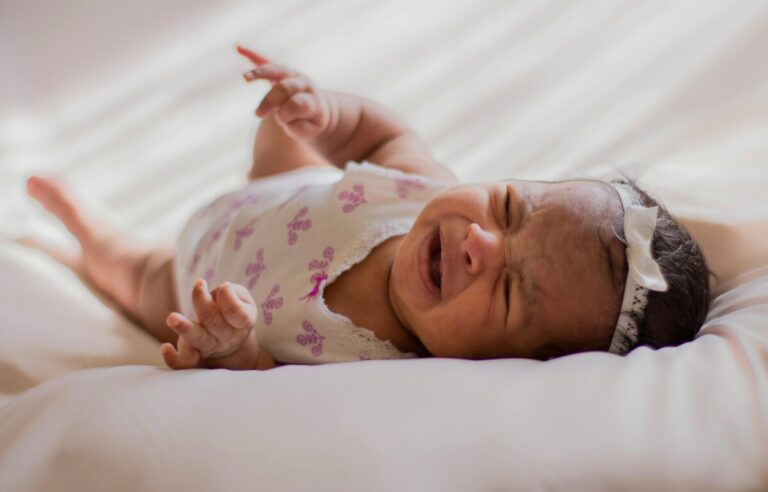
- Crying when laid down or resistance at bedtime
- Excessive sleepiness during the day or irritability without an apparent cause
- Changes in appetite or in play and attention patterns
Observing these symptoms continuously during the hottest days can indicate that the ambient temperature is interfering with sleep quality.
Practical Tips to Improve Rest During Heat Waves
Here are effective strategies to create a comfortable and safe sleeping environment during periods of high temperatures:
1. Optimize the Bedroom Temperature
The ideal temperature for sleeping is between 20 and 22°C. In hot climates, this can be hard to maintain, but it is important to try to cool the room as much as possible before bedtime.
Ventilate in the morning and evening when the air is cooler, keeping curtains closed during the day to avoid a greenhouse effect.
If using fans, avoid directing them straight at the child’s body. Instead, place them strategically to create cross ventilation.
If using air conditioning, keep it at a moderate temperature (never below 24°C), and check that it does not cause dry air.
2. Choose Appropriate Sleepwear
Babies should sleep with a single light layer of clothing, preferably cotton or linen, natural and breathable fabrics.
Avoid blankets, thermal sleeping bags, or heavy covers. A short-sleeved cotton bodysuit or thin pajamas are enough.
If the baby sweats during sleep, check the clothing to ensure they are not overdressed.
3. Create a Cool and Relaxing Sleep Environment
From a child-friendly design perspective, the space where the child sleeps should help sensory and emotional regulation:
- Use light colors on curtains, walls, and bedding, which reflect heat instead of absorbing it.
- Use light sheets and avoid mattresses or plastic protectors that retain body heat.
- An orderly environment, with few visual stimuli and dim light, also helps relaxation before sleep.
Emotional Aspects: Heat and Behavioral Regulation
From child psychology, we know that sleep is not only a biological function but also an emotional process. Young children do not always understand why they feel uncomfortable or tired, which can lead to irritability, tantrums at bedtime, or resistance to the nightly routine.
During heat waves, it is crucial to maintain calm and predictable rituals: a warm bath (never cold), quiet reading, lullabies, and a secure, affectionate presence.
These elements help the child self-regulate, even if conditions are not ideal.
What to Do if Poor Sleep Persists
If your child’s sleep is affected for more than 4 or 5 consecutive nights due to heat, and this starts to significantly interfere with their mood, appetite, or activity level, it is advisable to take more careful action:
– Consult the pediatrician if you notice signs of dehydration, lethargy, or excessive sweating.
– Consider temporarily moving the sleeping area to a cooler room if possible.
– Evaluate the environment with a professional if there are structural factors (like low ceilings or poor ventilation) that may worsen the situation.
In Summary
Sleeping in heat is a significant challenge for babies and children, but with appropriate strategies, we can minimize its impact. From controlling the ambient temperature to designing a cool and emotionally safe sleep space, caregivers have many resources to protect children’s sleep during heat waves.
Restorative sleep is a pillar of healthy development. Observing, supporting, and adapting the environment are essential steps to ensure that even on the hottest days, our children continue to grow healthy, happy, and well-rested.